
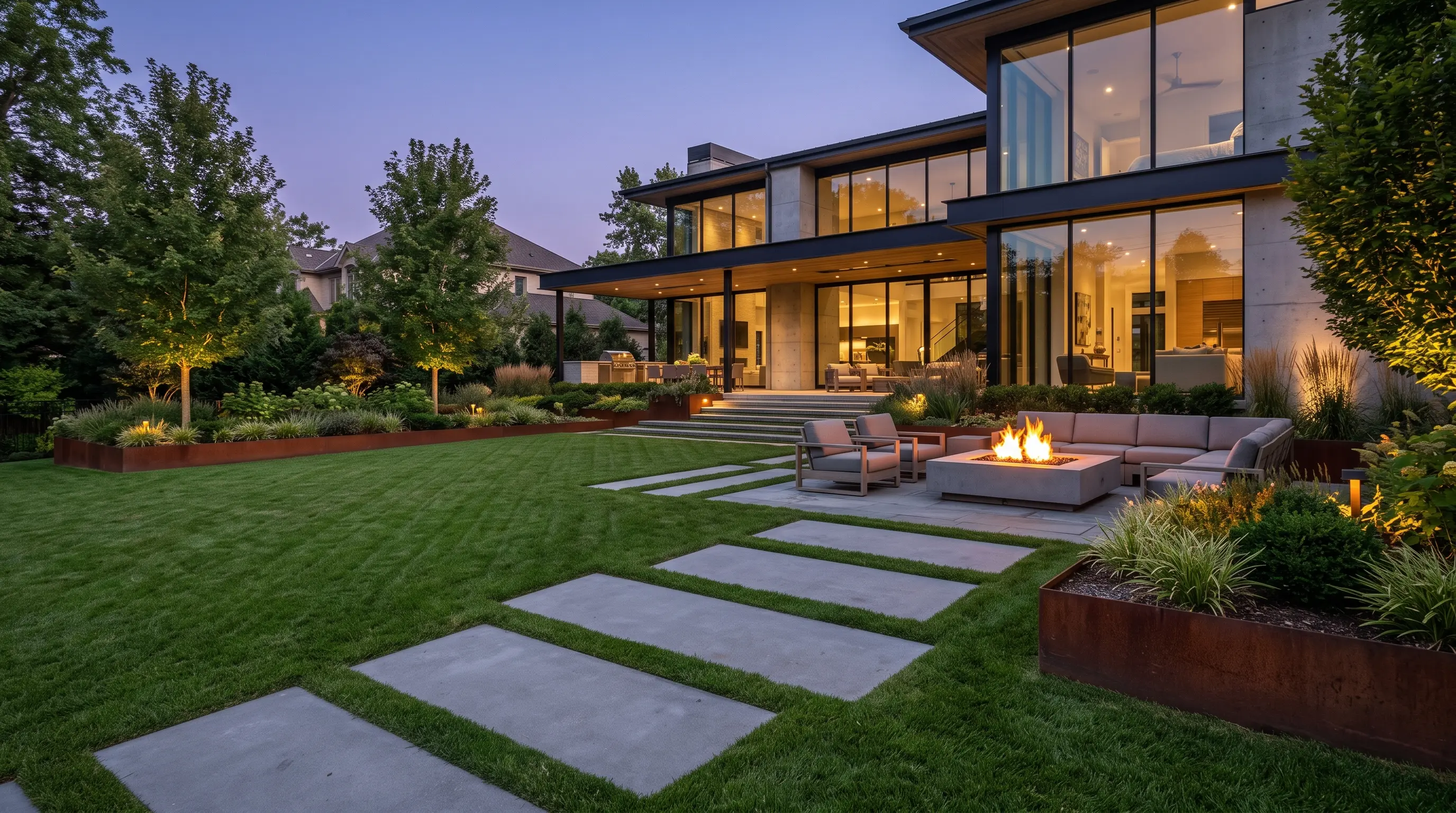
When most people think of a beautiful backyard, they instantly imagine endless green lawns and blooming flower beds. However, professional landscape architects know a crucial secret: plants alone do not create a structured, usable outdoor living space. The true foundation of any breathtaking backyard is its hardscaping—the solid, non-living elements like stone pathways, retaining walls, and paved patios. Without strong hardscaping, a garden is just a wild patch of grass; with it, your yard becomes a highly functional, architectural masterpiece.
Welcome to Vindy Space! If you are tired of muddy footprints in your house or simply want to elevate your exterior design, it is time to look beyond traditional poured concrete. Today’s most highly sought-after landscaping trends focus on blending raw, natural materials with sleek, ultra-modern geometric lines. From glowing resin-bound aggregates to natural weathering steel borders, here are 20 brilliant, fresh hardscaping and pathway ideas that will completely transform your backyard into a structured, stunning sanctuary.
1. Corten Weathering Steel Edging
Traditional plastic landscape edging looks cheap and breaks easily. The modern architectural standard is heavy-duty steel.
- The Look: Sleek, ultra-thin steel borders holding back gravel or soil, featuring a gorgeous, deep rusted-orange patina.
- Why it Works: Corten steel is specifically designed to rust on the surface, creating a protective layer that stops it from rusting through. It provides sharp, clean architectural lines against lush green grass.
Pro Tip: Spray it with a mixture of hydrogen peroxide, salt, and white vinegar to force the beautiful rust patina to develop overnight!

2. Oversized Concrete Stepping Pads
Say goodbye to tiny, traditional brick pathways. Modern design demands scale and simplicity.
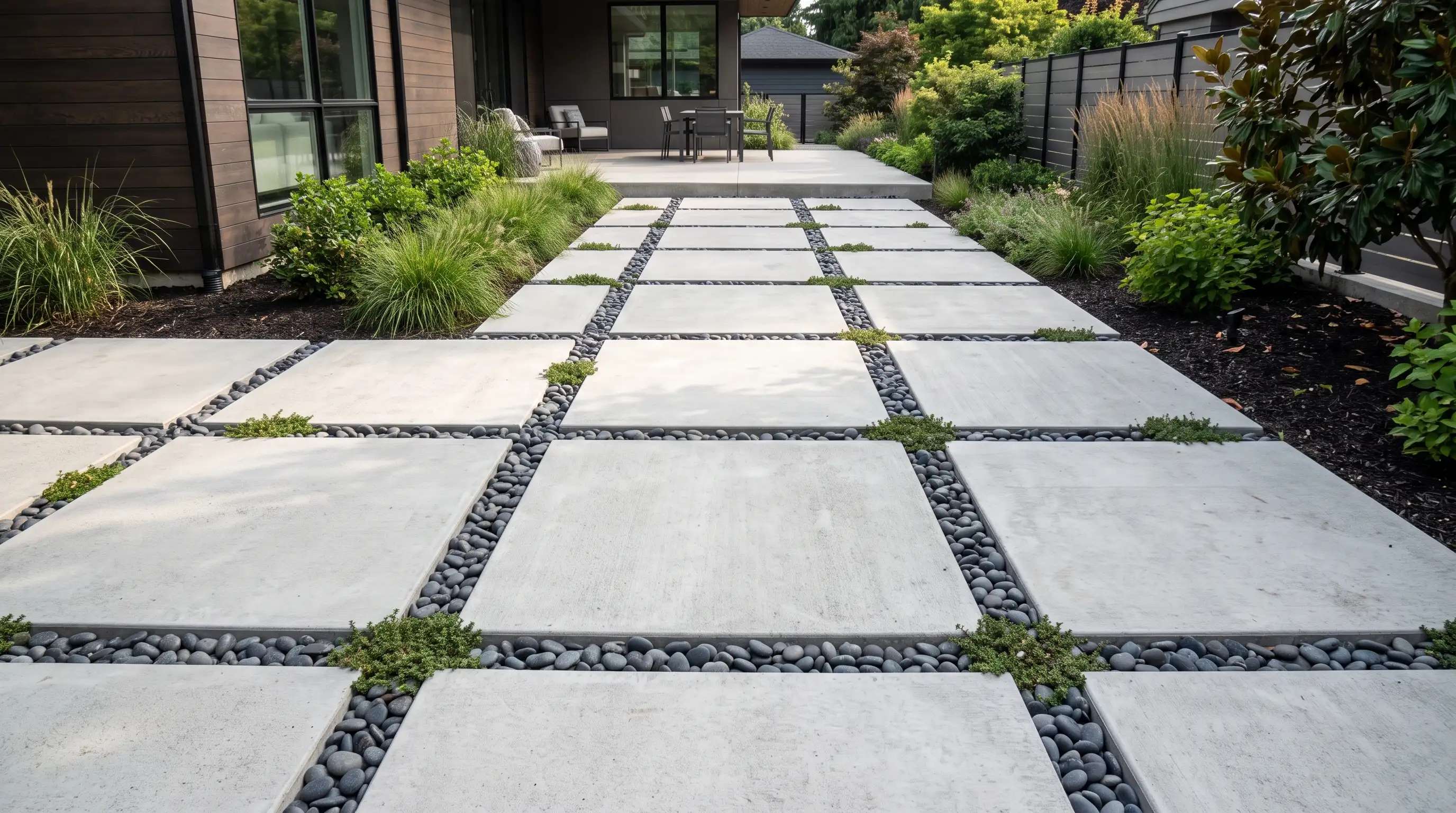
- The Look: Massive, perfectly square or rectangular pre-cast concrete slabs laid with significant gaps between them.
- Why it Works: Oversized pavers immediately make a space feel grand, contemporary, and luxurious, mimicking the high-end look of a luxury hotel walkway.
Pro Tip: Never lay concrete slabs directly on dirt! You must excavate and lay a heavily compacted base of gravel and leveling sand.
3. Resin-Bound Aggregate Pathways
Loose gravel pathways are beautiful until you have to constantly rake the stones back into place. Resin-bound paths offer the perfect solution.
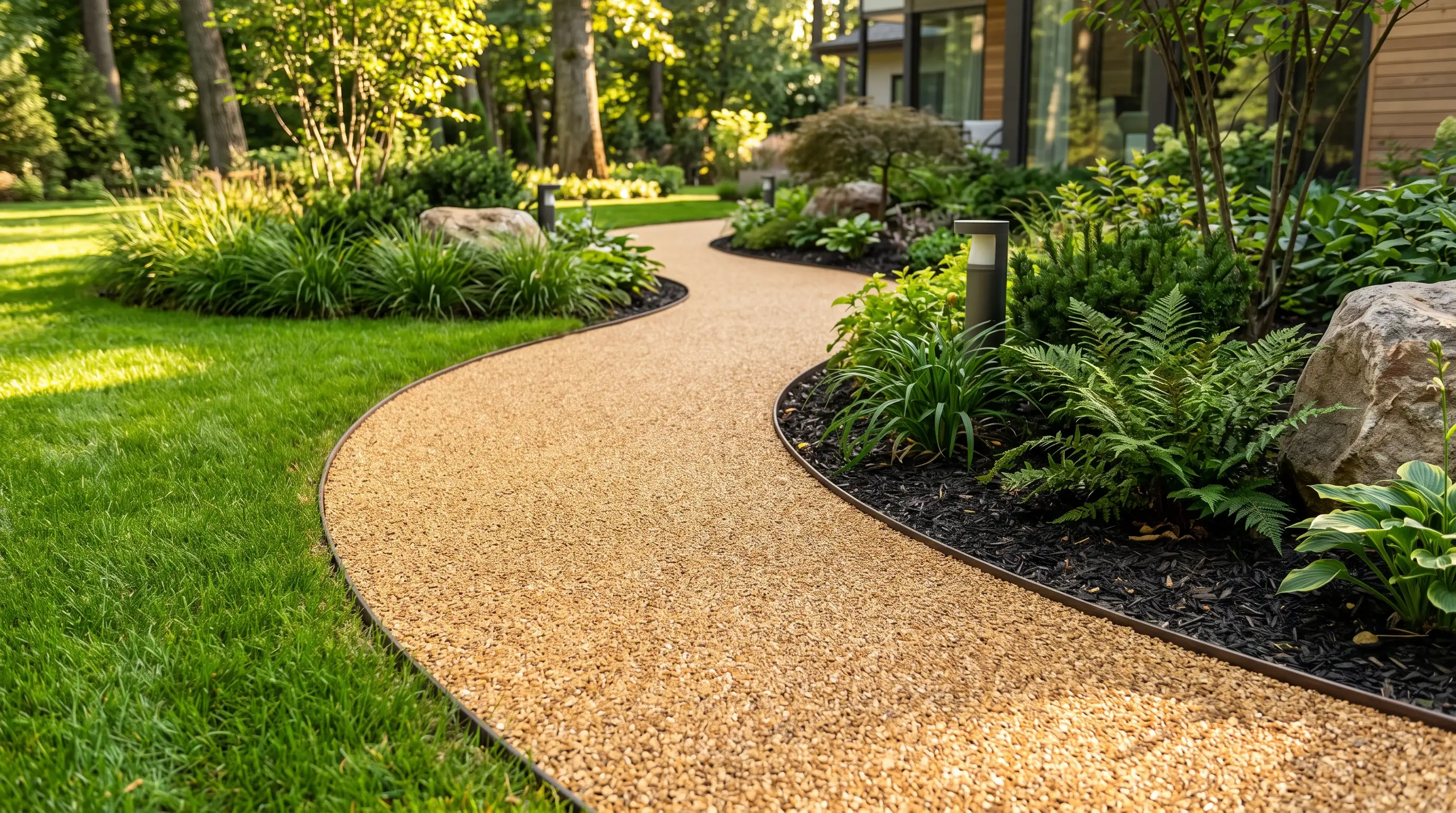
- The Look: A perfectly smooth, completely seamless pathway that looks exactly like loose natural stones but is solid as a rock.
- Why it Works: Natural stones are mixed with a clear, UV-stable resin before being troweled. It is incredibly durable, weed-proof, and fully permeable.
Pro Tip: This is rarely a DIY project. The resin cures incredibly quickly, so it requires a professional team to trowel it perfectly smooth!
4. The Japanese 'Zen' Raked Gravel Garden
Hardscaping does not always have to be meant for walking. Sometimes, it is purely for visual meditation.
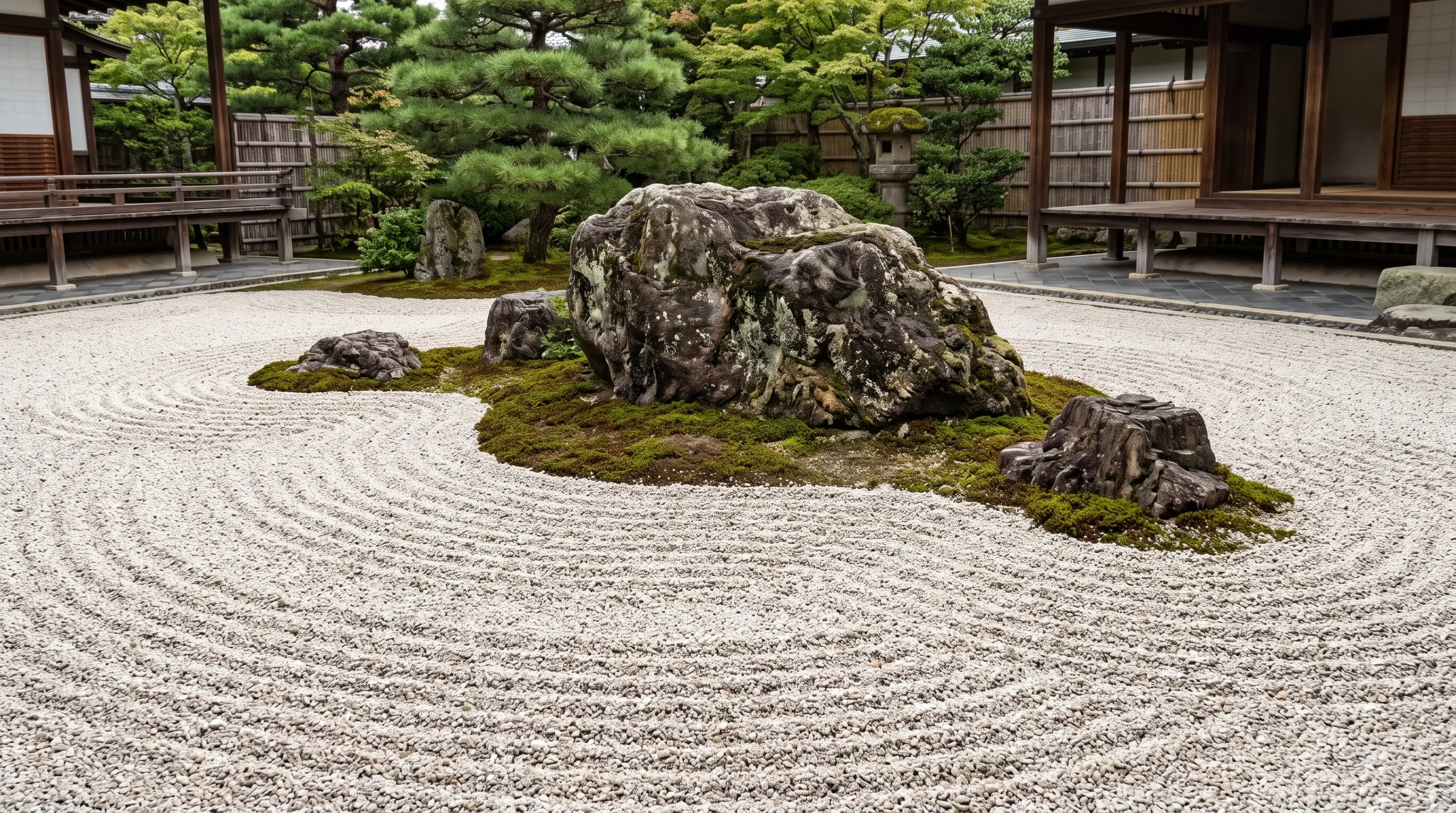
- The Look: A dedicated section of the yard filled entirely with fine crushed gravel, raked into precise, continuous swirling patterns.
- Why it Works: The "Karesansui" (dry landscape) style creates an instant focal point of absolute tranquility, perfect for shady areas where grass refuses to grow.
Pro Tip: Do not use standard pea gravel; it is too round. You must buy "crushed granite" with sharp edges that lock together to hold a raked pattern!
5. Glowing Luminescent Stones
Why rely solely on electrical pathway lighting when the pathway itself can glow?
- The Look: A traditional gravel or concrete pathway embedded with small, smooth stones that emit a vibrant blue or green glow in the pitch black.
- Why it Works: These photo-luminescent aggregates absorb UV sunlight during the day and naturally emit a stunning glow for hours at night, requiring zero electricity.
Pro Tip: Glowing stones need direct, harsh sunlight to charge. Do not place them in heavily shaded areas under thick trees!

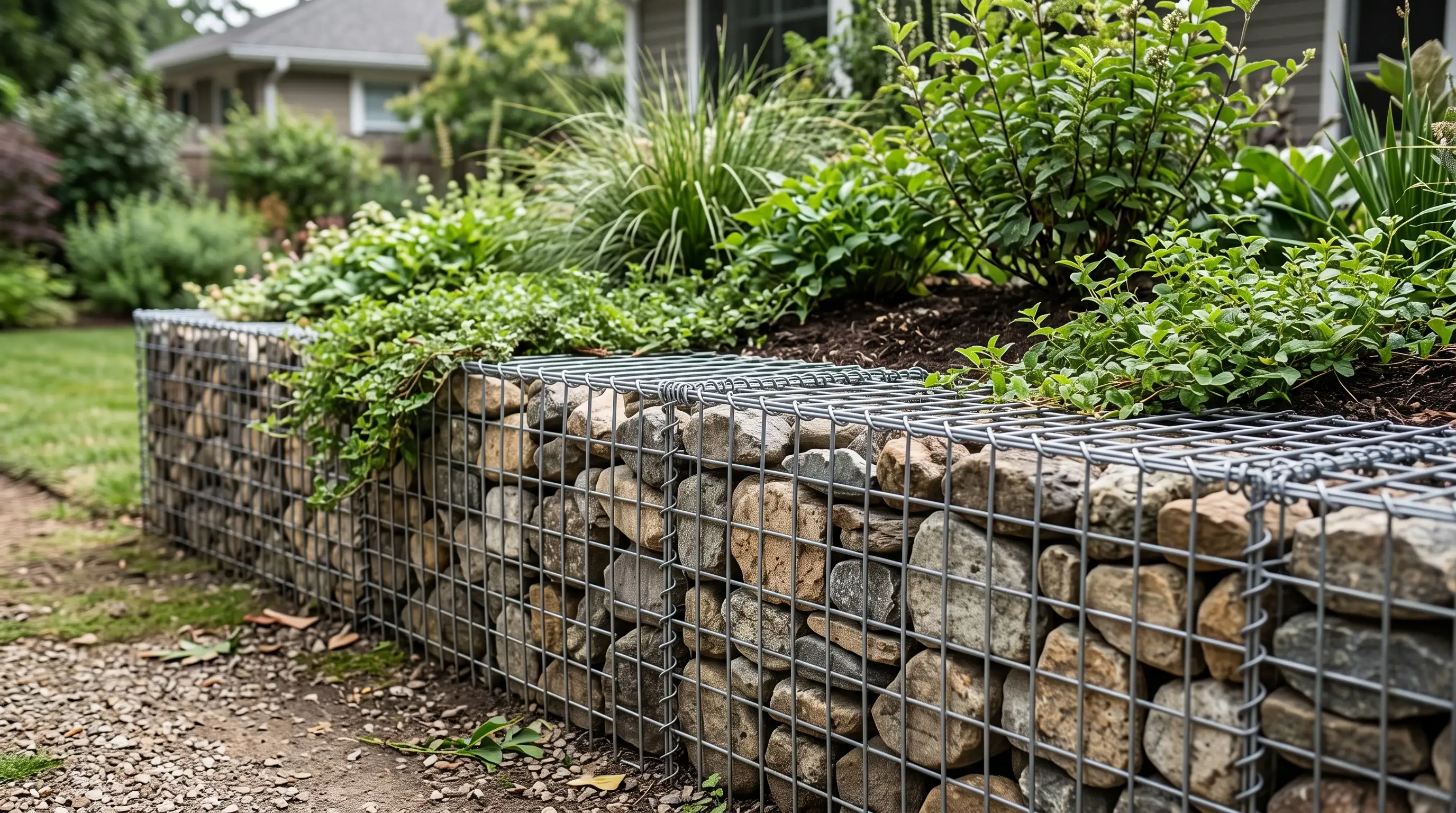
6. Gabion Wall Retaining Structures
Traditional brick-and-mortar retaining walls are expensive and difficult to build. The modern industrial alternative is incredibly striking.
- The Look: Heavy-duty, galvanized steel wire baskets tightly packed with raw, rough-cut natural stones stacked to form a solid wall or bench.
- Why it Works: Gabion walls provide incredible structural strength while the gaps between the stones allow for perfect, natural water drainage.
Pro Tip: Save massive amounts of money by filling the hidden inner core of the basket with cheap rubble, placing only the beautiful stones on the visible edges!
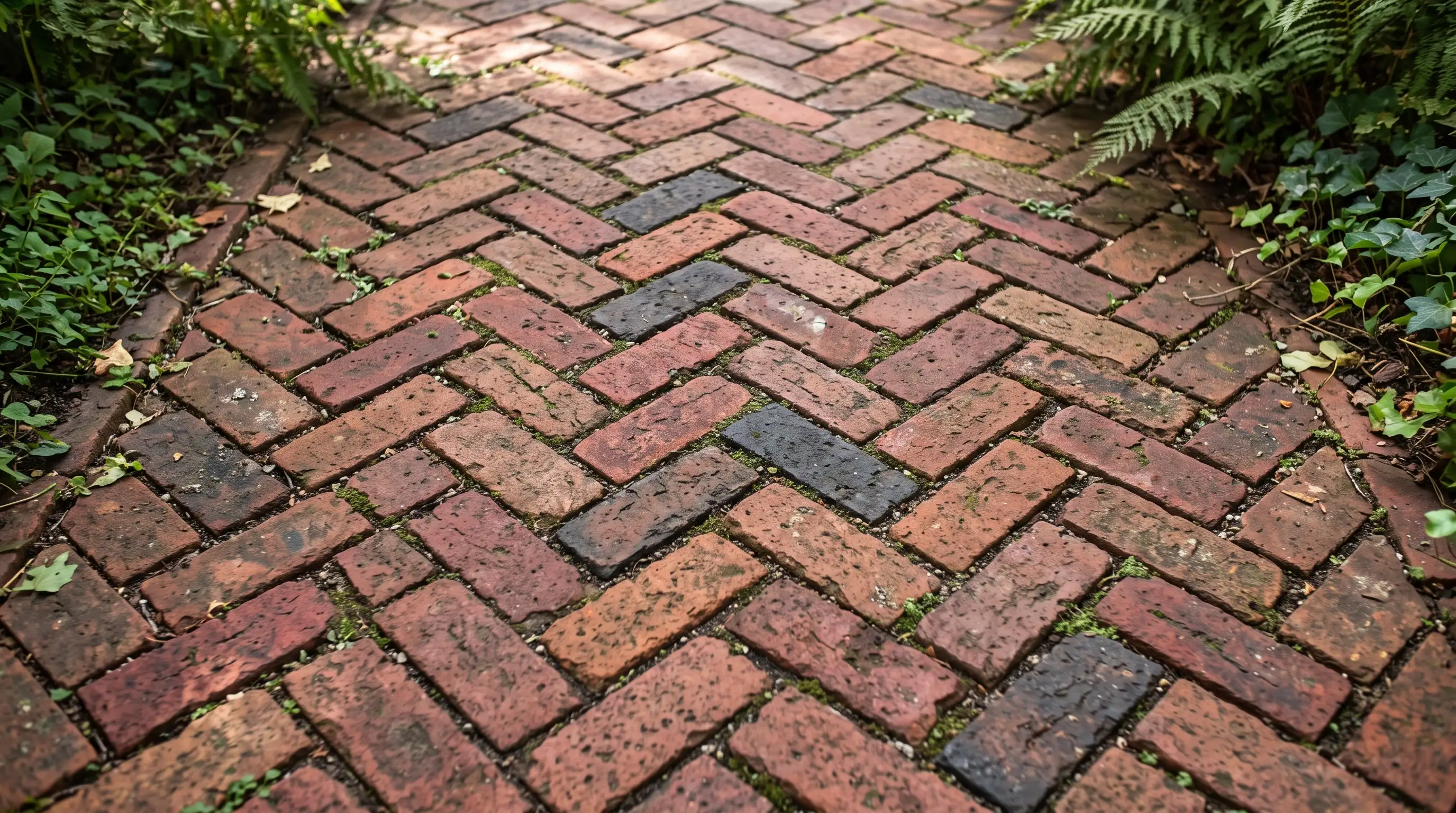
7. Classic Herringbone Brick Walkways
While massive concrete slabs are modern, traditional red brick laid in complex patterns is experiencing a massive resurgence for its timeless warmth.
- The Look: Traditional clay paving bricks laid at a precise 45-degree or 90-degree interlocking zigzag pattern.
- Why it Works: The herringbone pattern is structurally the strongest way to lay bricks. The interlocking design actively resists shifting under heavy foot traffic.
Pro Tip: Laying herringbone is a massive puzzle that requires cutting dozens of bricks in half. Rent a heavy-duty wet tile saw; do not attempt this with a hand chisel!
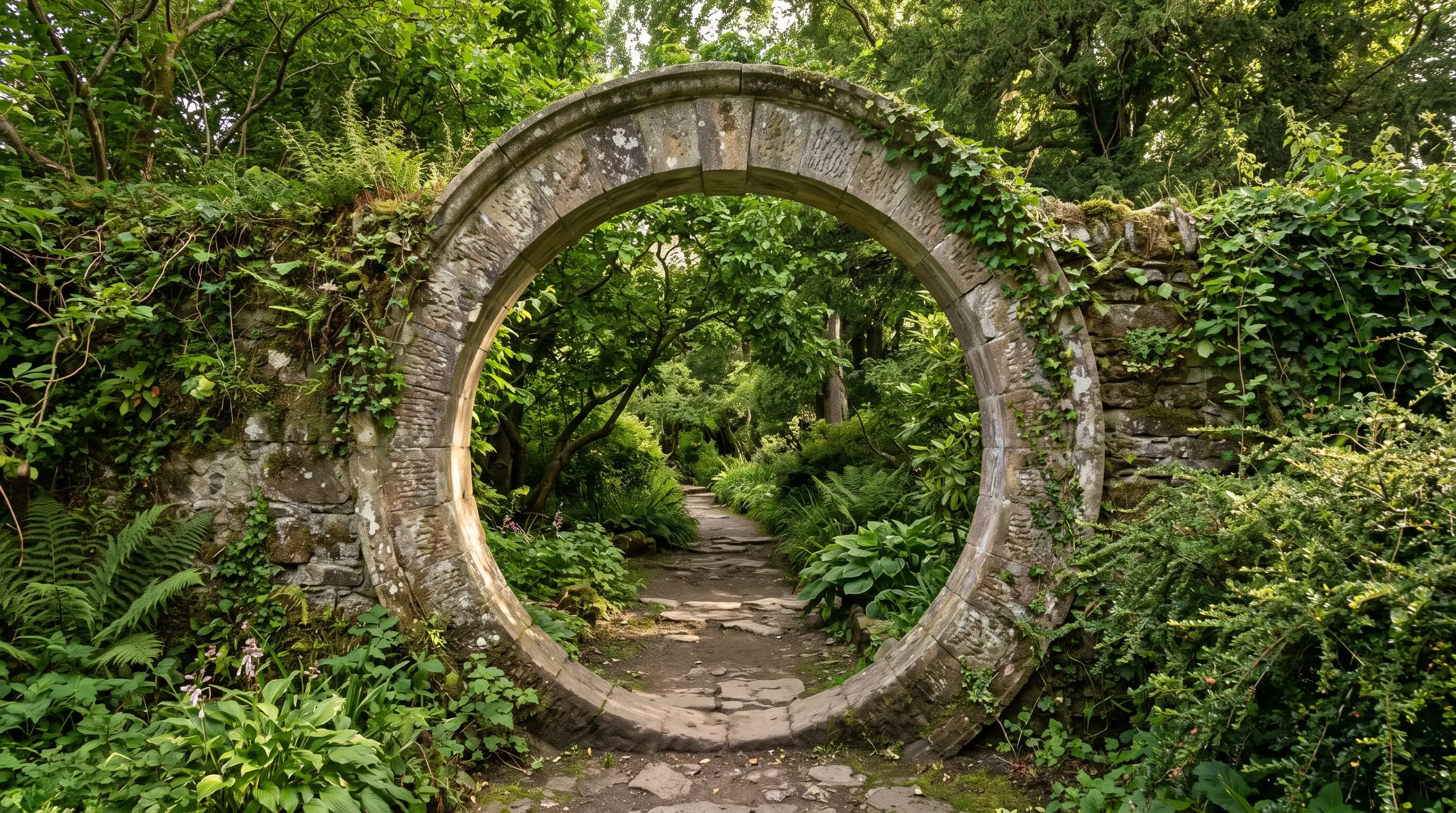
8. Circular 'Moon Gate' Arches
Hardscaping is not just about the ground; it is about framing the transition between different zones of your yard.
- The Look: A perfectly circular, freestanding architectural archway built from stacked stone, brick, or modern oxidized steel.
- Why it Works: A Moon Gate acts as a highly dramatic, sculptural entryway that physically frames the lush greenery behind it like a painting.
Pro Tip: If building a structural stone arch is too expensive, you can buy prefabricated, hollow metal circular arches online that bolt securely into concrete!
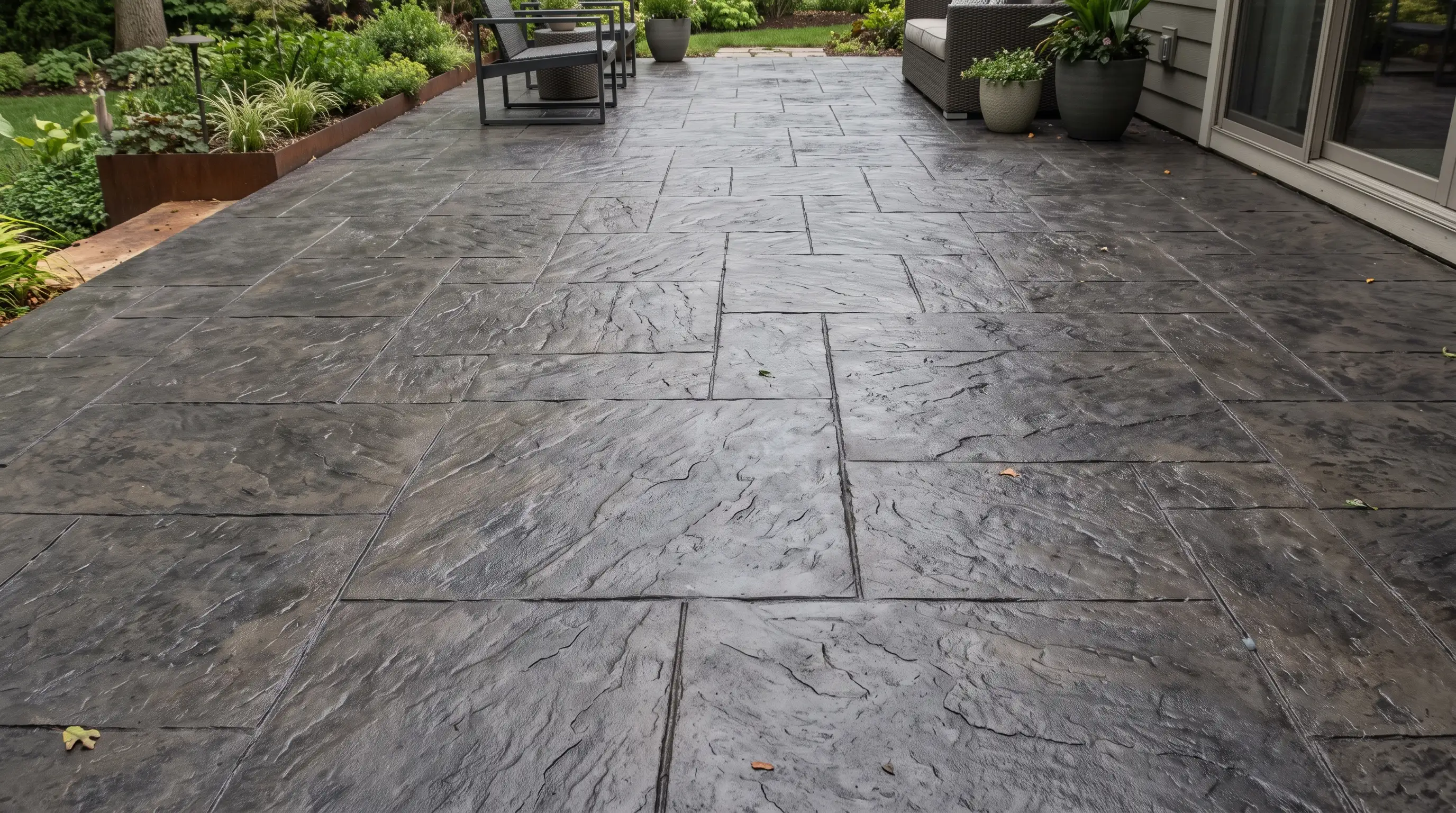
9. Stamped and Stenciled Concrete
Pouring a standard grey concrete patio is incredibly boring, but laying expensive natural stone may exceed your budget.
- The Look: A poured concrete patio or pathway that flawlessly mimics the look of natural slate, cobblestone, or even wood planks.
- Why it Works: Contractors press heavy, textured rubber mats into wet concrete and apply colored powders, giving you the luxurious look of custom masonry.
Pro Tip: Stamped concrete absolutely must be re-sealed every 2 to 3 years. If you neglect the sealant, the sun will fade the colors and it will crack!
10. Dark 'Decomposed Granite' (DG) Paving
For a soft, incredibly natural-looking pathway that blends seamlessly into the environment, skip the hard concrete entirely.
- The Look: A smooth, highly compacted, sandy-gravel surface in beautiful earthy tones like deep gold, rust red, or dark charcoal.
- Why it Works: DG naturally weathers to form a hard surface perfect for walking, yet it remains completely permeable and exceptionally organic in appearance.
Pro Tip: You must buy "Stabilized" Decomposed Granite (containing a binder). If you buy raw DG, it will turn into a muddy mess in the rain!
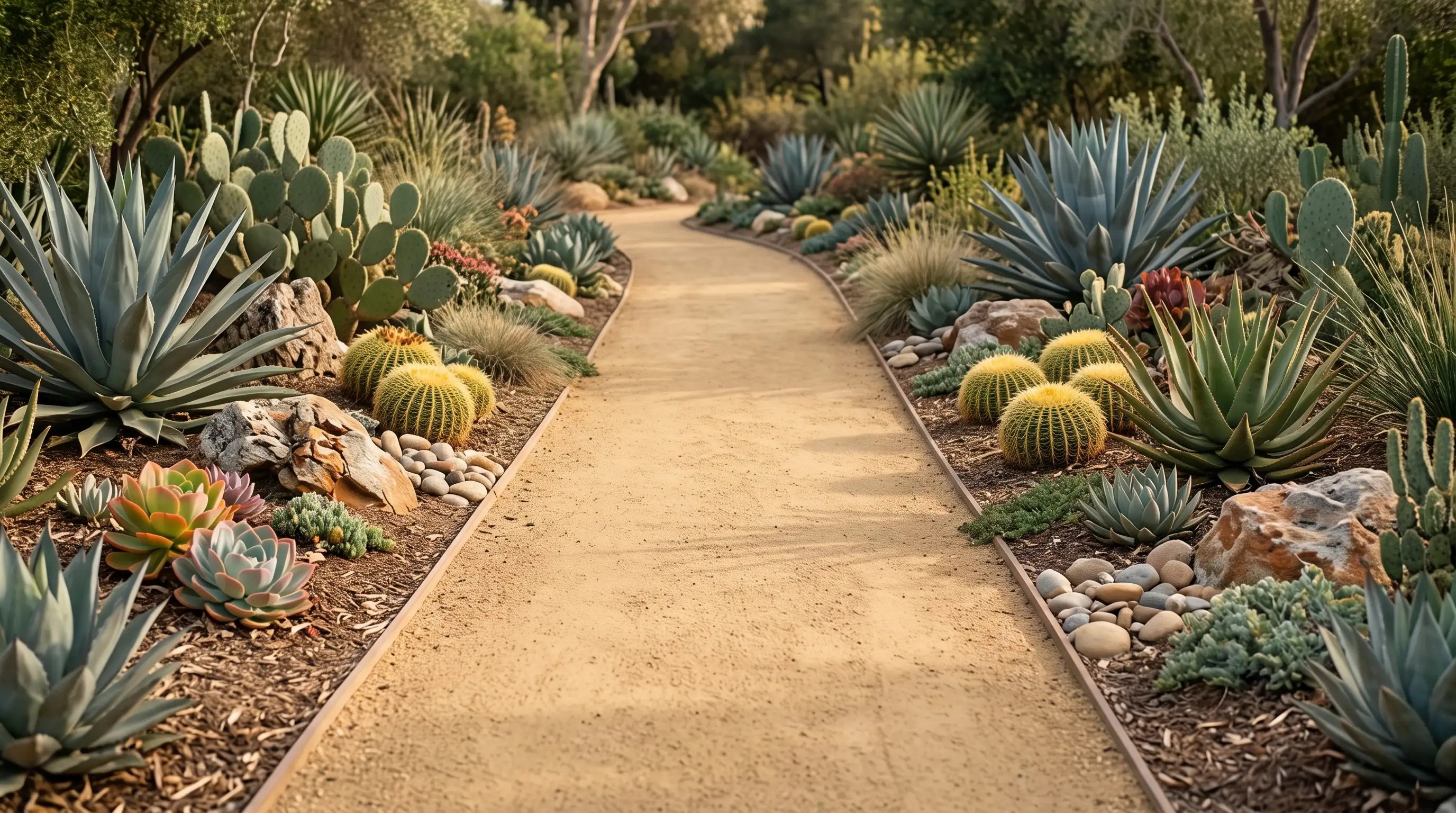
11. Floating Wood Slice Pathways
If you want your garden to feel like a whimsical, enchanted forest, raw timber is your best hardscaping material.
- The Look: Thick, horizontal slices of large tree trunks (log rounds) laid flat into the earth to create a natural, stepping-stone pathway.
- Why it Works: It introduces heavy, rustic organic texture that feels completely native to the outdoors, instantly softening the landscape.
Pro Tip: Raw wood laid on soil will rot fast! Heavily coat the bottom and sides of each wood slice with a clear, copper-based preservative before burying them.

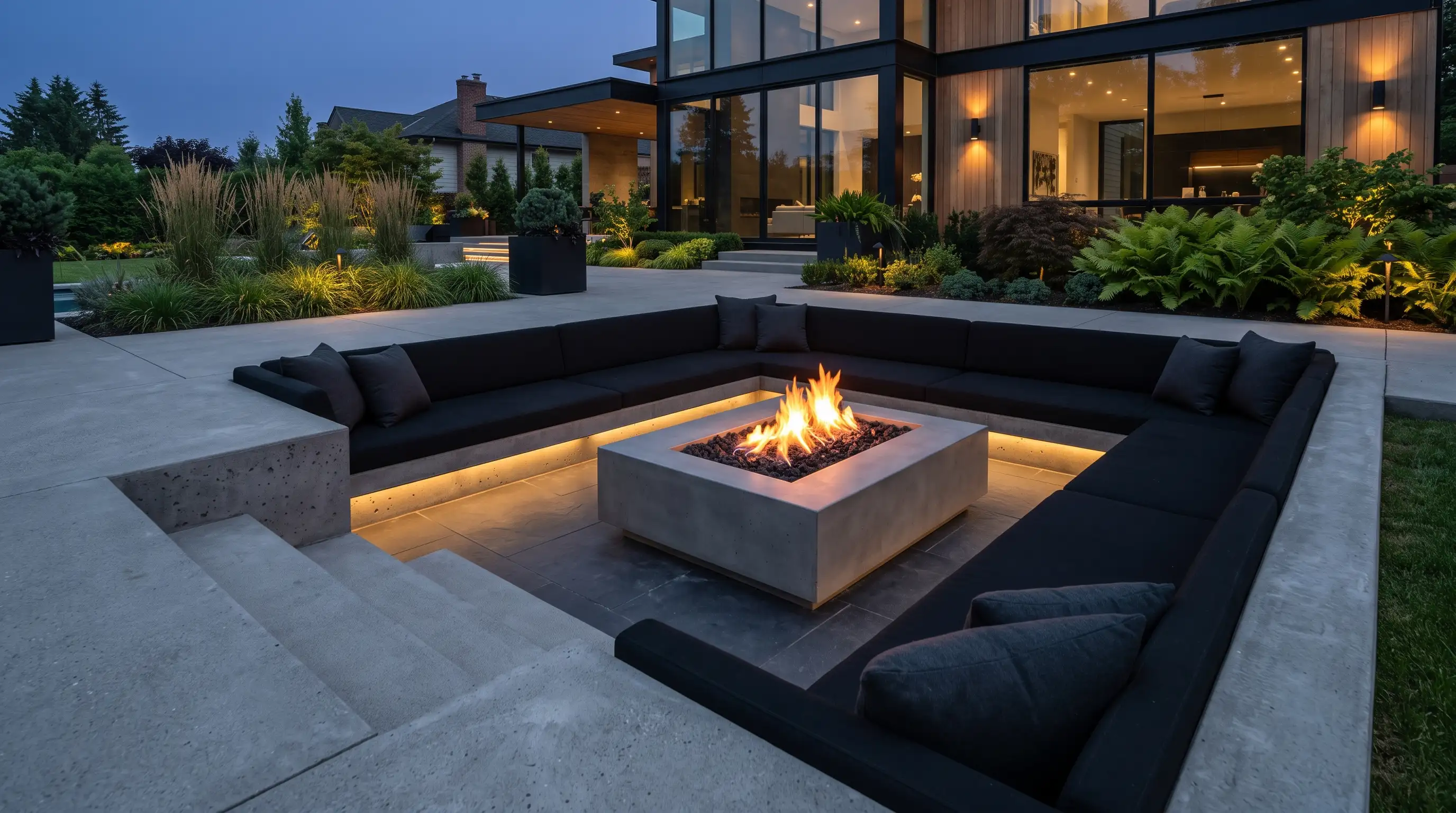
12. The Sunken Fire Pit Lounge
Instead of building furniture *on top* of your patio, the most luxurious modern trend is building the patio *around* your seating.
- The Look: A structured seating area excavated below the main ground level, featuring built-in concrete benches around a central fire feature.
- Why it Works: Sunken lounges create an intimate, deeply cozy atmosphere. Lowering the sightline makes you feel completely hidden and protected.
Pro Tip: Drainage is critical! You must install a professional French drain or a sump pump at the lowest point, or it will become a swimming pool!
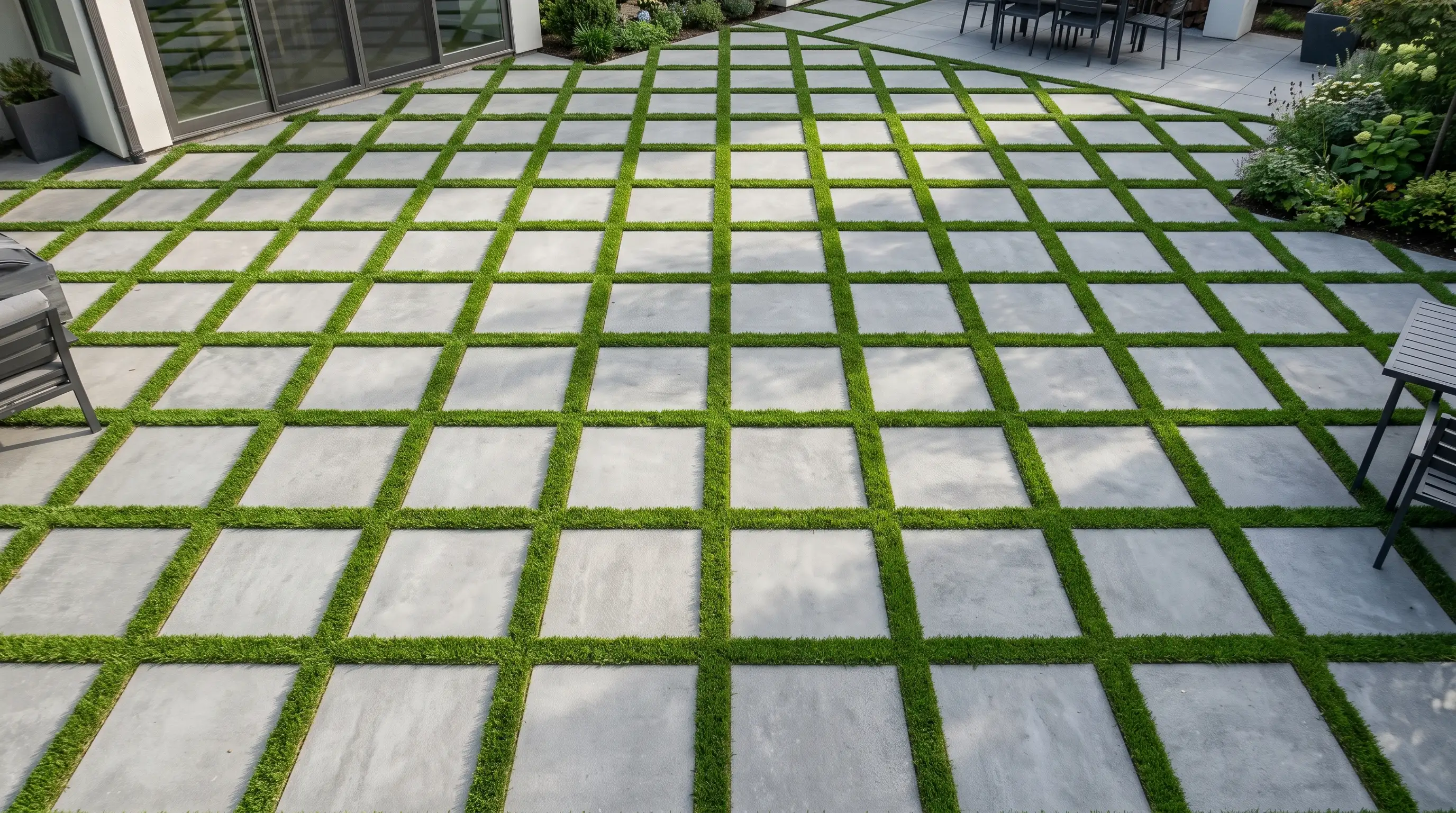
13. Intersecting Geometric Turf Strips
The line between "hardscaping" and "softscaping" is being intentionally blurred in modern design.
- The Look: A patio made of large concrete slabs laid with a strict grid pattern, where the gaps are filled flawlessly with vibrant green grass.
- Why it Works: It breaks up the massive visual weight of solid concrete, injecting vital life into the hardscape while maintaining modern geometric lines.
Pro Tip: Real grass requires constant trimming. Use high-quality artificial turf strips in the gaps for a flawless, zero-maintenance look!
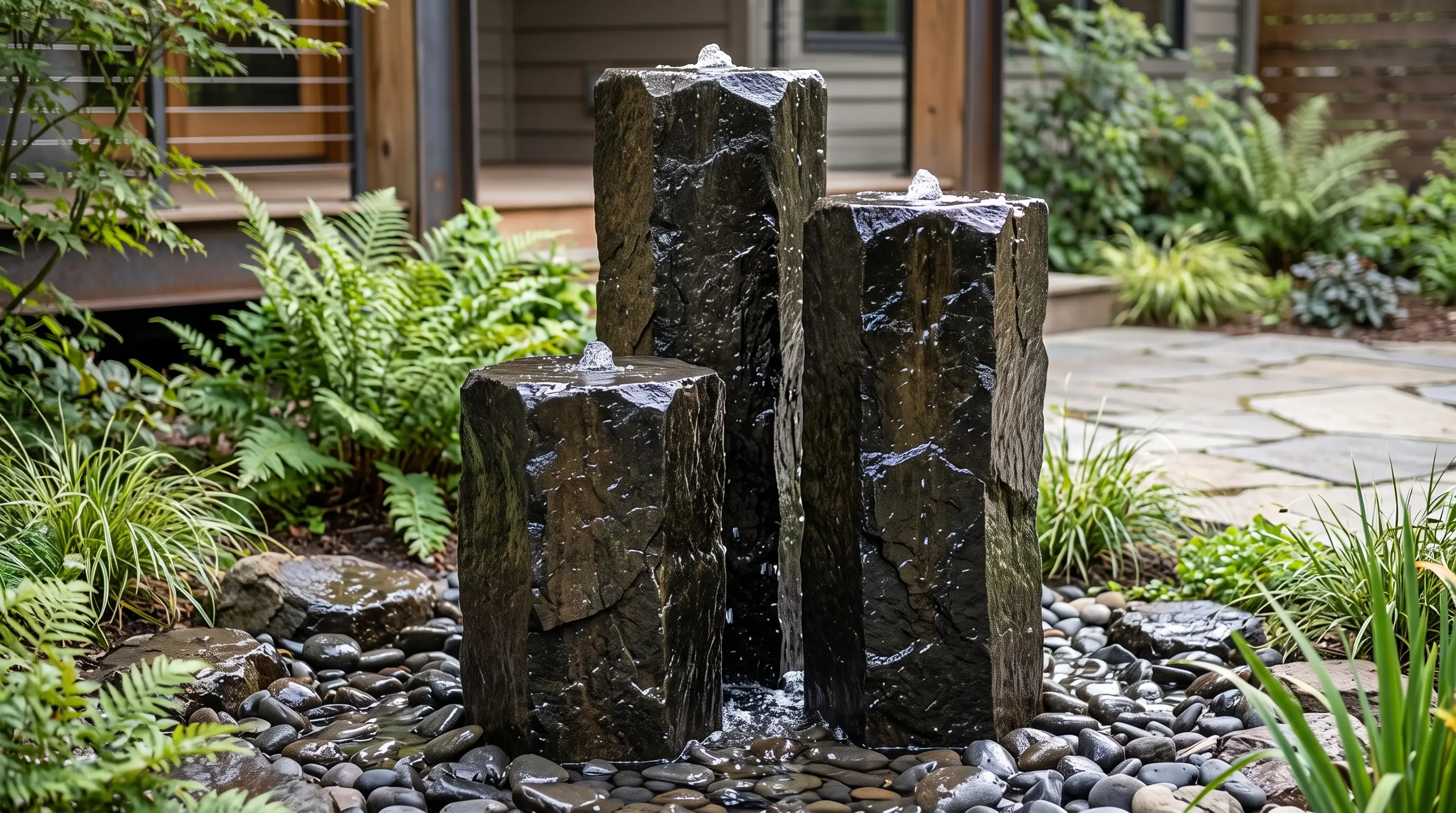
14. Monolithic Basalt Column Water Features
A true hardscaped sanctuary engages the ears as well as the eyes.
- The Look: Massive, raw, naturally hexagonal pillars of dark basalt volcanic rock with water trickling down the sides into an underground basin.
- Why it Works: Basalt columns look incredibly ancient and powerful, appearing as permanent, natural monoliths rather than store-bought fountains.
Pro Tip: Bury a heavy-duty waterproof LED up-light inside the base rocks. The rippling water will create stunning light shadows at night!
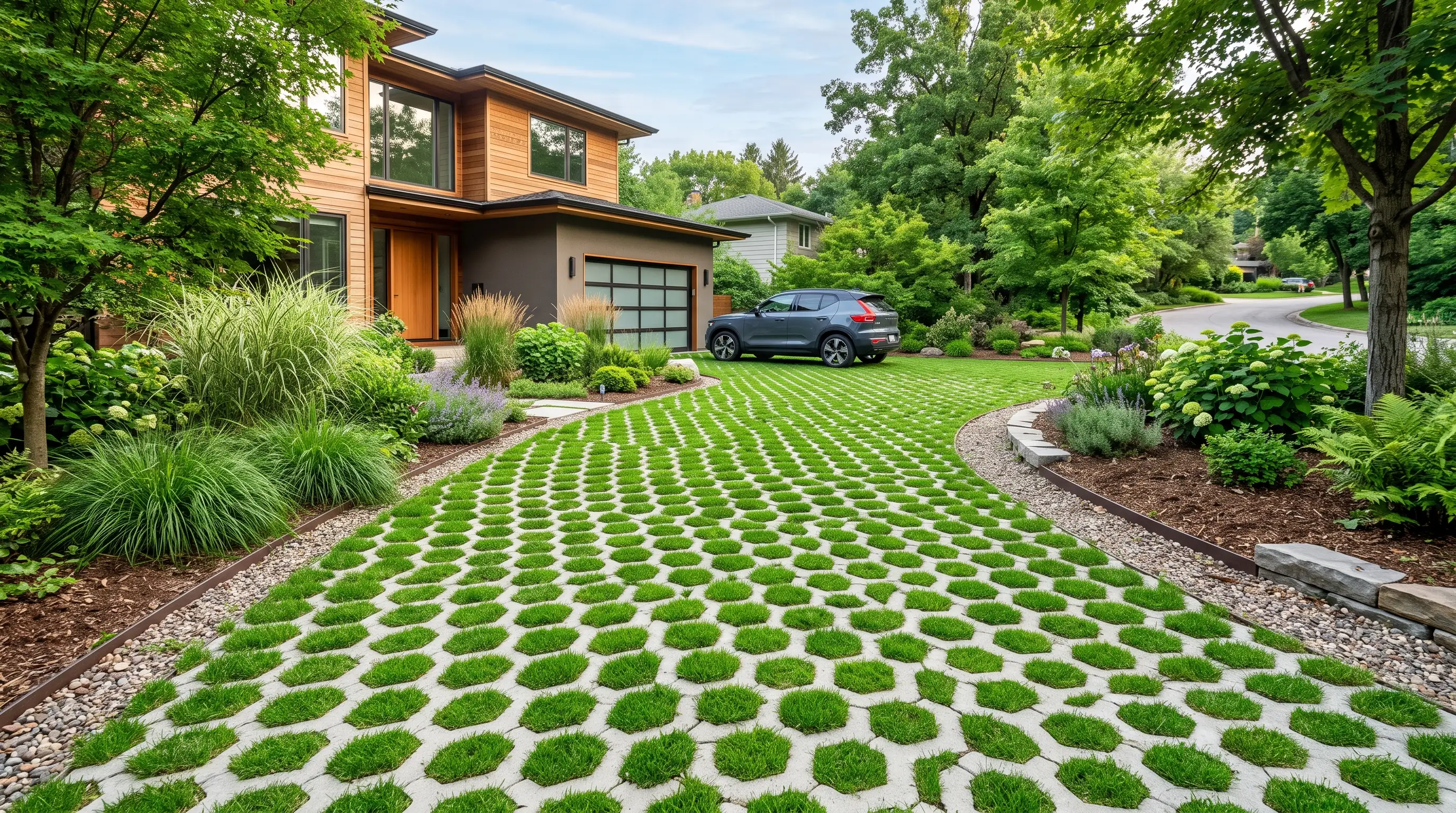
15. Permeable Grass Pavers (Turfstone)
If you need a functional driveway or parking pad but hate the look of a massive asphalt slab, there is an eco-friendly solution.
- The Look: A heavy-duty concrete grid system laid into the ground, with lush grass growing directly through the honeycomb holes.
- Why it Works: The concrete provides structural support for vehicles while protecting grass roots. From an angle, it simply looks like a green lawn!
Pro Tip: Make sure the soil level inside the honeycomb holes is flush with the top of the concrete so mower blades glide cleanly over it.
16. Sleek Board-Formed Concrete Walls
Poured concrete doesn't have to look like a boring city sidewalk; it can actually feature the beautiful texture of wood.
- The Look: A modern retaining wall made of solid concrete that permanently displays the exact wood grain texture and seams of wooden planks.
- Why it Works: It perfectly marries brutalist, heavy industrial concrete with the warm, organic texture of natural timber.
Pro Tip: You must sandblast the real wooden pouring molds first to raise the grain significantly before pouring the concrete!

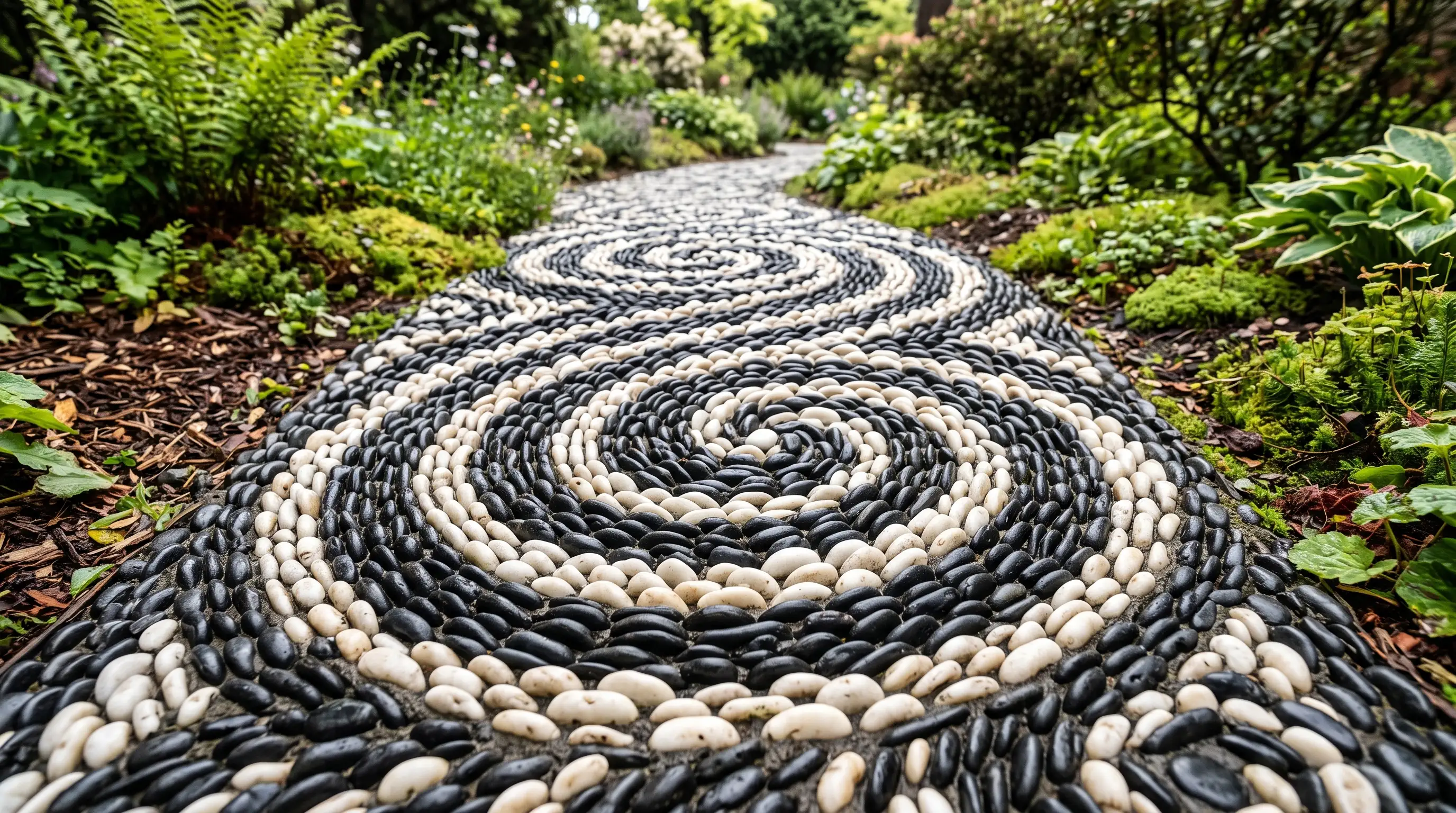
17. Contrasting Pebble Mosaics
Pathways can be more than just a route from point A to point B; they can be stunning, intricate pieces of art.
- The Look: Smooth river stones in contrasting colors meticulously stood on their edges and pressed into wet mortar to form complex patterns.
- Why it Works: Pebble mosaics add an incredible level of bespoke, handcrafted artistry and profound texture to a garden path.
Pro Tip: Do not lay the pebbles flat! Press them deeply into the mortar vertically, on their narrowest edge, so they lock in tightly.
18. Minimalist Floating Stairs
If your backyard has a steep slope or elevation change, standard brick steps can look incredibly heavy and dated.
- The Look: Thick rectangular slabs of concrete or solid stone that appear to hover weightlessly above the ground.
- Why it Works: Floating stairs remove the solid riser, allowing light and shadow to pass underneath, creating an ultra-modern optical illusion.
Pro Tip: Run hidden LED strip lighting perfectly along the bottom back edge of every single step to illuminate the hover effect at night!

19. Mixed-Material Checkerboard Patios
Why limit your patio to just one material when combining two creates maximum visual impact?
- The Look: A giant, outdoor checkerboard pattern created by alternating concrete pavers with contrasting black gravel, moss, or brick.
- Why it Works: It introduces strict, symmetrical geometry into a wild garden, immediately drawing the eye to define the dining space.
Pro Tip: Use rigid, hidden plastic landscape edging underneath the gravel squares; otherwise, the loose rocks will constantly spill onto the concrete!

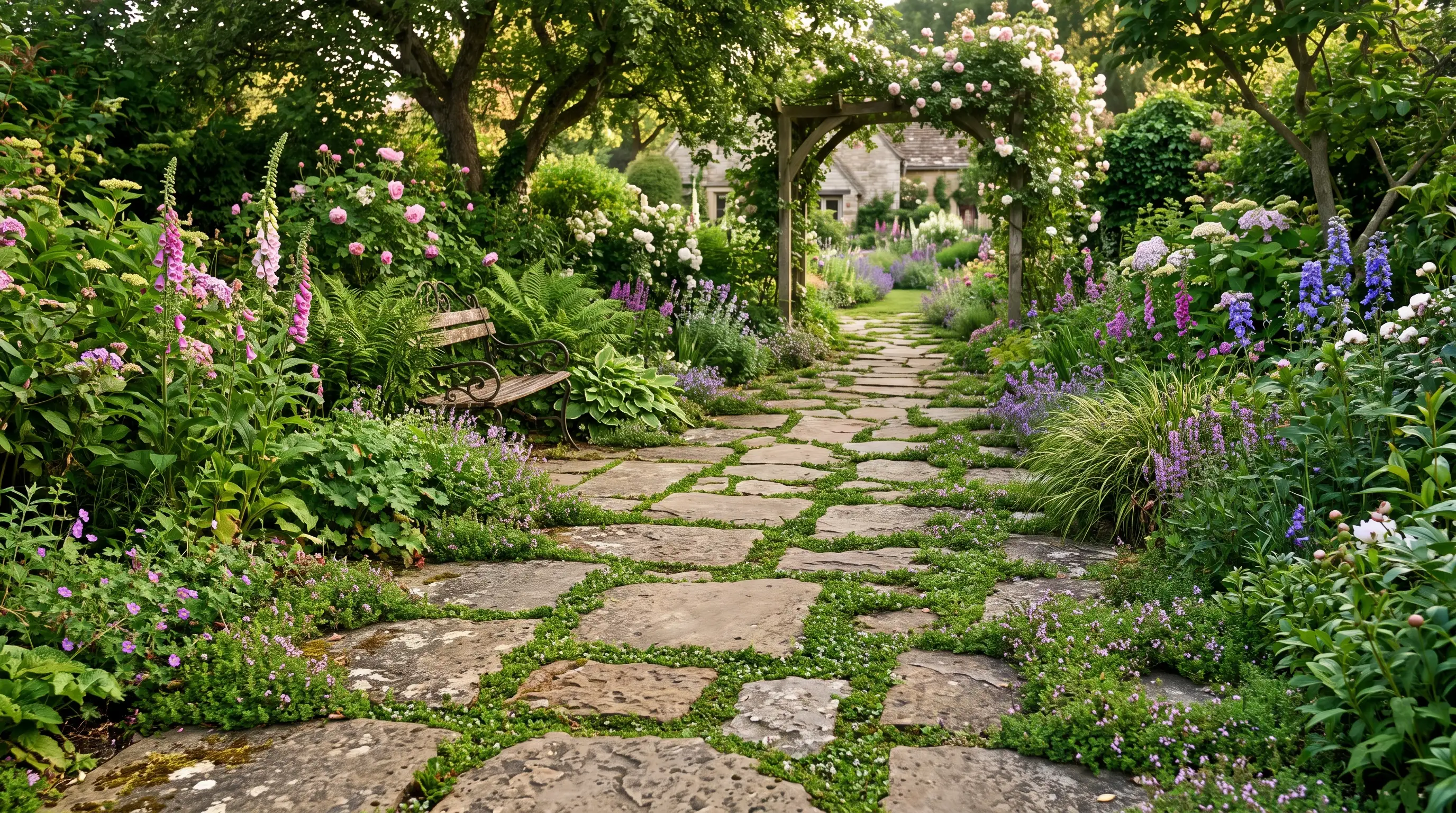
20. Natural Flagstone with Creeping Groundcover
For a timeless, organic, and incredibly romantic garden path, abandon strict geometry completely.
- The Look: Large, irregularly shaped pieces of natural flagstone laid randomly, with a fragrant green groundcover growing in the wide joints.
- Why it Works: It looks as though the pathway has existed for centuries, perfectly complementing traditional or highly organic landscaping styles.
Pro Tip: Plant 'Creeping Thyme' in the gaps. It survives being stepped on and releases a beautiful, fresh fragrance when crushed underfoot!
Quick Reference Cheat Sheet
The Goal: Elevate your backyard from a simple lawn to a highly functional, beautifully structured architectural space using modern hardscaping elements.
- The Materials: Shift away from basic poured concrete and standard red brick. Embrace raw Corten steel, massive pre-cast concrete slabs, natural basalt, and resin-bound gravel.
- The Pathways: Avoid strict, boring straight lines. Use glowing aggregate stones, wood slices, or pebble mosaics to make your walkways beautiful artistic features.
- The Integration: Blend the hardscape with the softscape. Leave wide gaps between pavers and fill them with creeping thyme or artificial turf strips to soften the heavy masonry.
- The Execution: Hardscaping is permanent and heavy. Always prioritize absolute proper drainage and heavily compacted gravel sub-bases before laying any stone!
Frequently Asked Questions (FAQ)
Q: Will Corten weathering steel stain the concrete beneath it when it rains?
A: Yes, it absolutely will. During the initial 6-month rusting process, rainwater washing over the Corten steel will carry rust runoff that can heavily stain light-colored concrete or stone. Always install a small gravel drainage trench directly beneath the steel edge to catch the rust drip!
Q: What is the absolute best way to stop weeds from growing through a gravel pathway?
A: Never skip the commercial-grade woven weed barrier fabric! You must excavate the dirt, lay the heavy fabric down tight, pin it with metal staples, and then pour at least 3 inches of gravel on top.
Q: Are oversized concrete pavers slippery when wet?
A: If they are polished or troweled completely smooth, yes. When ordering or pouring oversized concrete slabs for outdoor use, you must always request a "light broom finish" or an "acid wash finish" to give the surface a micro-texture that prevents dangerous slips.
Final Thoughts
Creating a truly stunning backyard requires shifting your focus from the plants to the pavement. Hardscaping is the absolute architectural backbone of your outdoor living space. It dictates the flow of traffic, creates defined functional zones, and introduces incredibly complex textures that foliage alone simply cannot provide. Whether you are installing a sleek, ultra-modern floating staircase, edging your garden with raw Corten steel, or simply laying a romantic flagstone path covered in fragrant thyme, these solid elements will permanently elevate your property. Put on your heavy work gloves, finalize your design layout, and get ready to build an unforgettable, breathtaking outdoor oasis in your beautiful Vindy Space!