
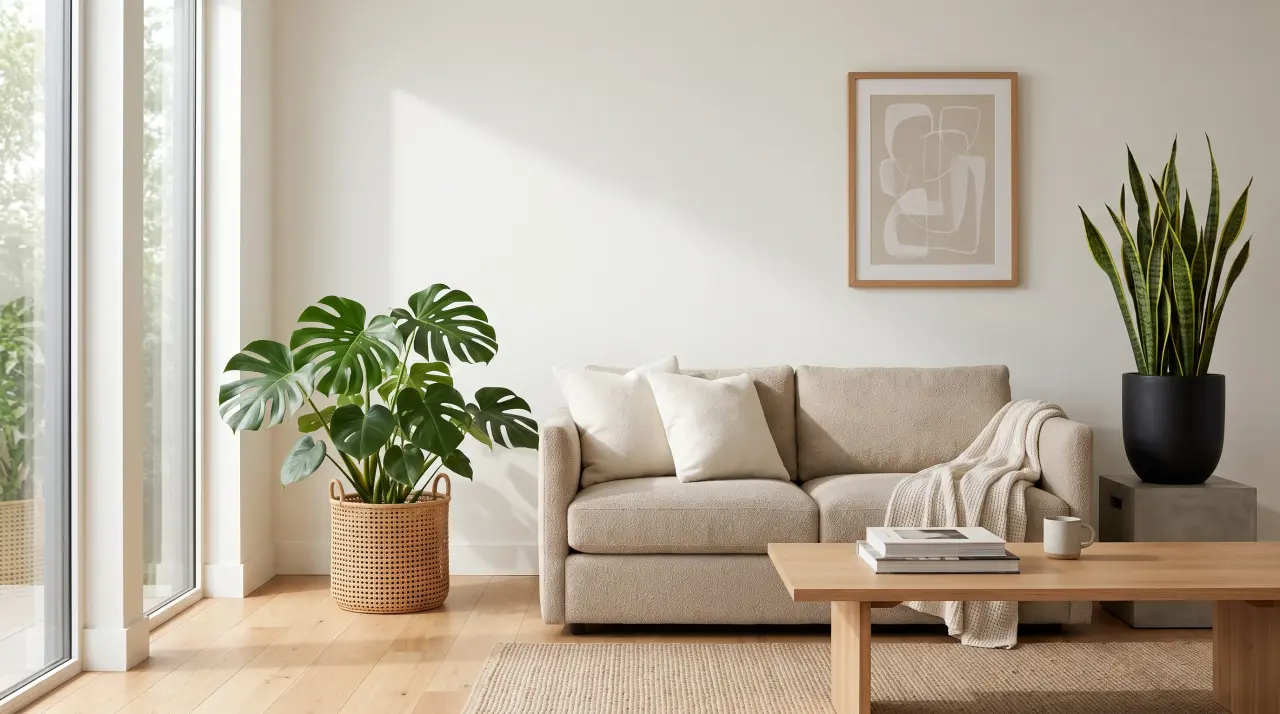
Bringing nature indoors is one of the easiest and most effective ways to instantly elevate the aesthetic of any space. A touch of lush greenery breathes life into a room, adds vibrant color to neutral palettes, and creates a calming, grounded atmosphere. However, for many of us with busy schedules or a history of accidentally killing houseplants, the idea of maintaining an indoor jungle can feel completely intimidating.
Welcome to Vindy Space! We believe that you do not need a green thumb to achieve that magazine-worthy, modern home look. The secret is simply choosing the right resilient greenery. By selecting hardy, drought-tolerant species, you can enjoy all the visual benefits of indoor plants without the daily stress of complicated care routines. Here is our ultimate guide to the 7 best low-maintenance indoor plants that will effortlessly transform your home aesthetic.
Key Takeaways
- Elevate modern, minimalist aesthetics by incorporating structural plants like the Snake Plant or Rubber Plant to add clean architectural lines.
- Transform plain walls and high shelves by utilizing fast-growing, cascading trailing vines like Pothos for a lush, bohemian feel.
- Eliminate the stress of plant care by selecting highly resilient, drought-tolerant species like the ZZ Plant that thrive perfectly in low-light environments.
Table of Contents
- 1. The Architectural Marvel: Snake Plant (Sansevieria)
- 2. The Dark and Glossy: ZZ Plant
- 3. The Tropical Statement: Monstera Deliciosa (Swiss Cheese Plant)
- 4. The Graceful Trailing Vine: Pothos (Devil's Ivy)
- 5. The Bold and Moody: Rubber Plant (Ficus Elastica)
- 6. The Sprawling Classic: Spider Plant
- 7. The Elegant Bloomer: Peace Lily
1. The Architectural Marvel: Snake Plant (Sansevieria)
Striking Vertical Lines | High-Impact Minimalism
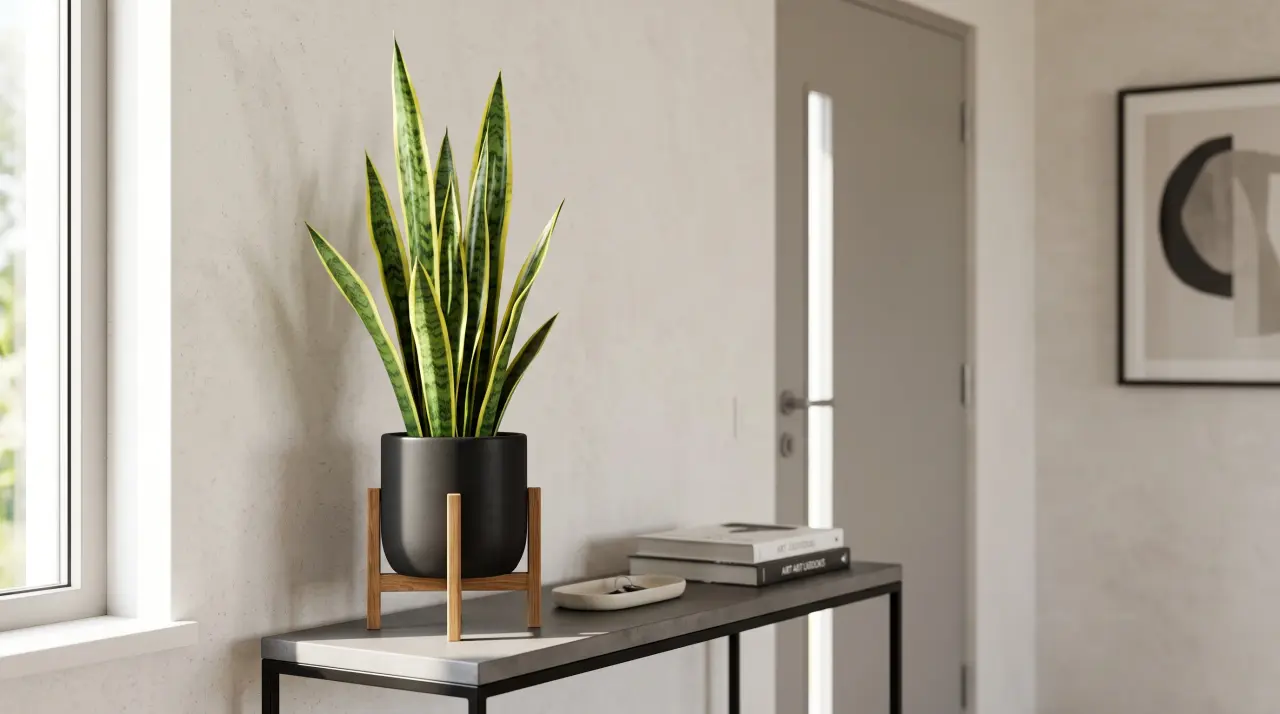
- Why it Works: If there is a plant that can survive almost anything, it is the Snake Plant. It is a staple in modern, minimalist interior design. Tall, stiff, sword-like leaves shoot straight up, adding striking vertical lines and a structural element to empty corners or sleek entryway tables. It draws the eye upward and adds a clean, architectural shape that perfectly complements modern, clutter-free aesthetics without taking up horizontal space.
- How to Care: This plant thrives on neglect. It requires very little water and can survive in both bright light and dark, low-light corners. Only water it when the soil is completely dry (usually every 2-3 weeks).
✔ Adds striking, architectural vertical lines without cluttering the floor space.
✔ Practically indestructible and requires almost zero maintenance or watering.
✖ The sharp, stiff leaves are mildly toxic if chewed on by curious pets.
📝 Quick Steps: Purchase a healthy Snake Plant from a local nursery. Keep the plant inside its plastic nursery pot. Drop the entire nursery pot inside a sleek, decorative ceramic cylinder. Place it in an empty corner or on a console table.
🛠️ Tools & Materials: Botanicals: Live Snake Plant (Sansevieria). Decor: Minimalist matte black or white tall ceramic cylinder pot.
🧽 Maintenance: Wipe the flat sword-like leaves occasionally with a dry microfiber cloth to remove dust and maintain their vibrant green banding.
⚠️ Safety & Building Codes: Ensure the decorative pot is heavy enough so that a tall, top-heavy Snake Plant does not tip over easily if bumped.
💡 Pro Tip: Place your Snake Plant in a sleek, minimalist matte black or white tall ceramic cylinder pot to emphasize its modern vertical lines!
🚧 Contractor's Insight / Structural Note: When placing heavy ceramic pots on delicate hardwood floors or floating entryway consoles, always stick heavy-duty felt pads to the bottom of the pot to prevent devastating permanent scratches.
Shop the Look
2. The Dark and Glossy: ZZ Plant
Low-Light Resilient | Waxy Emerald Foliage
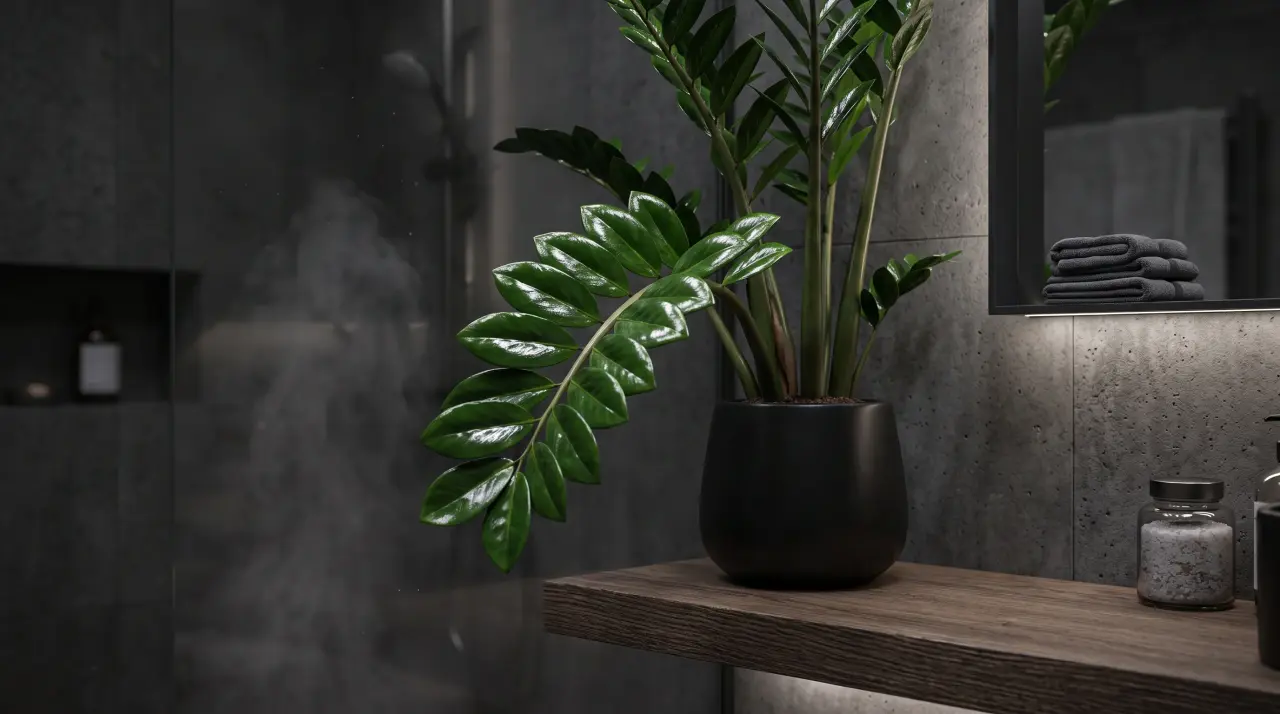
- Why it Works: The ZZ plant is famous for looking almost fake because its leaves are so incredibly shiny and perfectly shaped. Thick, fleshy stems with deep green, glossy oval leaves reflect light beautifully. It brings a rich, moody aesthetic to interior spaces and thrives in dead zones where other plants would instantly wither and die.
- How to Care: The ZZ plant stores water in its rhizome roots, making it incredibly drought-tolerant. It does exceptionally well in low light, making it the perfect choice for a windowless bathroom or a dim office.
✔ The absolute best plant for dark, windowless rooms or gloomy offices.
✔ Incredibly glossy leaves always look pristine and healthy.
✖ Grows extremely slowly compared to other common houseplants.
📝 Quick Steps: Select a ZZ plant with vibrant, unblemished glossy leaves. Place it in a low-light area where other decor elements fade into the shadows. Set a calendar reminder to check the soil moisture only once a month.
🛠️ Tools & Materials: Botanicals: Live ZZ Plant. Decor: Textured terracotta pot or metallic planter.
🧽 Maintenance: Wipe the waxy leaves down with a damp microfiber cloth once a month to keep them free of dust and looking perfectly glossy!
⚠️ Safety & Building Codes: Keep the plant out of reach of pets and small children, as the sap from the ZZ plant can cause minor skin irritation if the stems are broken.
💡 Pro Tip: If you want to make a dark corner feel instantly luxurious, place your ZZ plant inside a metallic gold or brass planter. The glossy leaves reflecting against the warm metal is stunning!
🚧 Contractor's Insight / Structural Note: ZZ plants have incredibly strong, bulbous rhizome roots. Do not pot them in a container with a narrow neck, or the expanding roots will eventually shatter the ceramic pot from the inside!
Shop the Look
3. The Tropical Statement: Monstera Deliciosa (Swiss Cheese Plant)
Bold Jungle Vibe | Massive Fenestrated Leaves
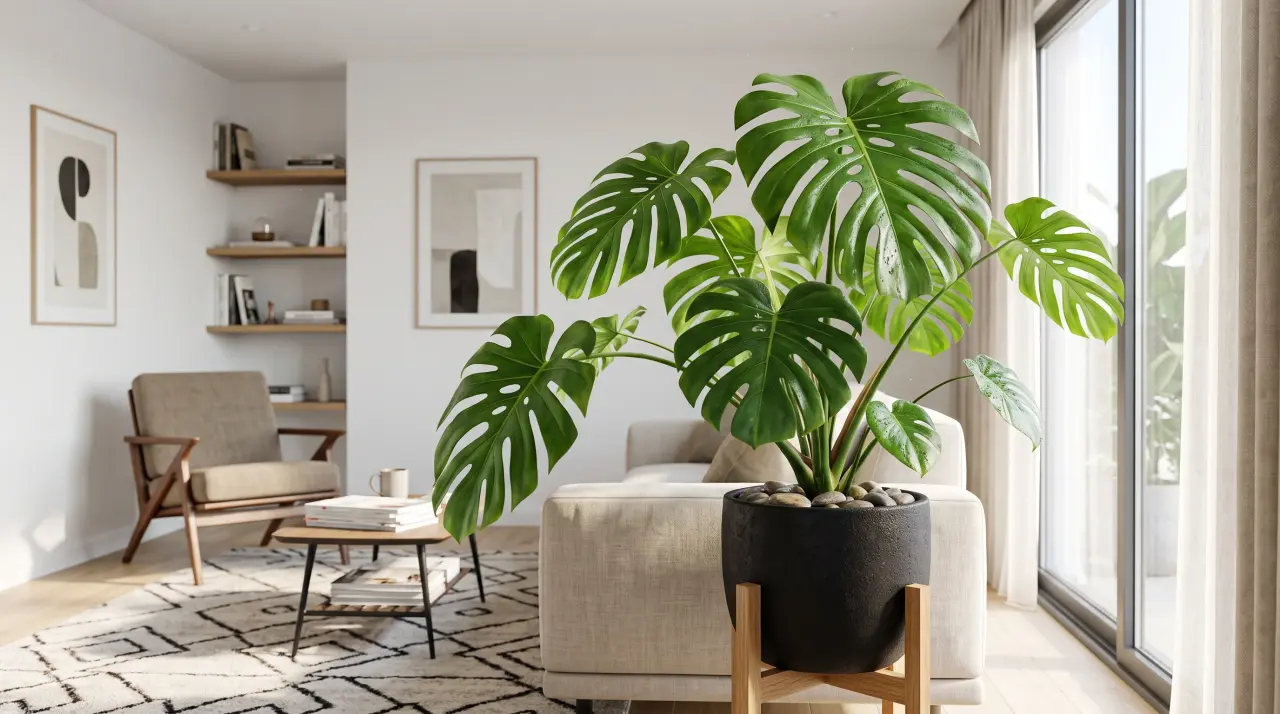
- Why it Works: If you spend any time on Pinterest or Instagram interior design pages, you have seen the Monstera. It is the ultimate "it" plant. Massive, glossy, heart-shaped leaves develop natural splits and holes as they mature. Because of its massive leaf size, it acts as a striking focal point, bringing an instant bold, tropical, and highly aesthetic jungle vibe to any living room.
- How to Care: Give it bright, indirect sunlight and water it every 1-2 weeks. It likes to dry out a bit between waterings.
✔ Acts as a massive, stunning focal point that instantly elevates room decor.
✔ The large, split leaves cast beautiful, artistic shadows across the walls.
✖ Can quickly outgrow its space and requires aggressive pruning.
📝 Quick Steps: Place the Monstera in a spacious corner with bright, indirect sunlight. As the plant grows taller, gently tie the thick green stems to a vertical support pole. Rotate the pot a quarter-turn every week so the plant grows evenly toward the light.
🛠️ Tools & Materials: Botanicals: Live Monstera Deliciosa. Decor: Large woven rattan basket, natural coco coir moss pole. Accessories: Soft plant ties.
🧽 Maintenance: Clean the massive leaves with a damp cloth to prevent dust buildup from blocking the plant's ability to photosynthesize.
⚠️ Safety & Building Codes: Heavy pots holding massive plants must be placed on level, stable flooring to prevent the heavy soil from tipping over during watering.
💡 Pro Tip: As the Monstera grows, tie the thick stems to a natural moss pole so it climbs elegantly upward rather than sprawling wildly across your living room floor!
🚧 Contractor's Insight / Structural Note: Monsteras grow aggressively wide. Ensure you leave at least a 3 to 4-foot radius of clearance around the pot, otherwise, the massive leaves will completely block walkways or constantly rub against your furniture.
4. The Graceful Trailing Vine: Pothos (Devil's Ivy)
Cascading Bohemian Foliage | High-Shelf Accents
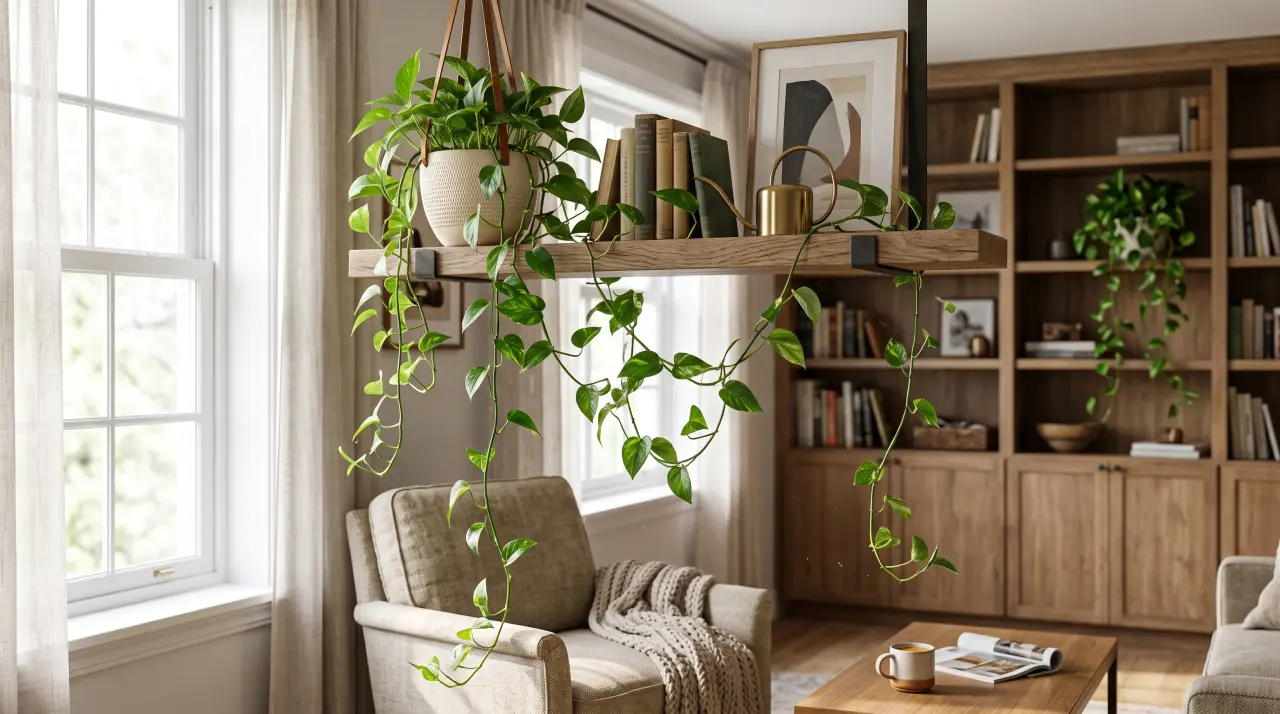
- Why it Works: For those who want a lush, cascading jungle effect, the Pothos is the easiest trailing plant you can grow. Fast-growing vines with beautiful variegated heart-shaped leaves trail elegantly down from floating shelves or hanging woven baskets. Trailing plants naturally soften harsh architectural lines and tall furniture, adding a cozy, lived-in, and relaxed bohemian feel to the room.
- How to Care: Pothos is incredibly forgiving. It handles low light well and only needs water when the top few inches of soil are dry. If you forget to water it, the leaves will droop slightly to remind you, but it bounces right back!
✔ Grows incredibly fast, providing instant lush greenery.
✔ Perfect for utilizing vertical space and softening the top edges of tall furniture.
✖ The long vines can eventually drag on the floor if not pruned regularly.
📝 Quick Steps: Place the Pothos pot on the highest shelf or in a ceiling-mounted hanging planter. Allow the vines to cascade downward naturally. When the vines get too long, simply snip them with scissors right below a leaf node.
🛠️ Tools & Materials: Botanicals: Live Golden Pothos plant. Decor: Hanging macrame planter or sleek high-shelf pot. Accessories: Clear adhesive wall vine clips.
🧽 Maintenance: Snip off any dead or yellowing leaves near the base of the plant to redirect energy to the long trailing vines.
⚠️ Safety & Building Codes: Ensure hanging planters are placed where people will not bump their heads when walking underneath them.
💡 Pro Tip: Place the Pothos on top of a tall kitchen cabinet or a high bookshelf. The cascading green leaves will beautifully break up the harsh wooden lines of the furniture!
🚧 Contractor's Insight / Structural Note: When hanging heavy trailing plants from the ceiling, ensure the mounting hook is screwed directly into a structural ceiling joist. A heavy, water-soaked hanging basket will easily rip a standard toggle bolt out of the drywall.
Shop the Look
5. The Bold and Moody: Rubber Plant (Ficus Elastica)
Burgundy Leathery Leaves | Sophisticated Contrast
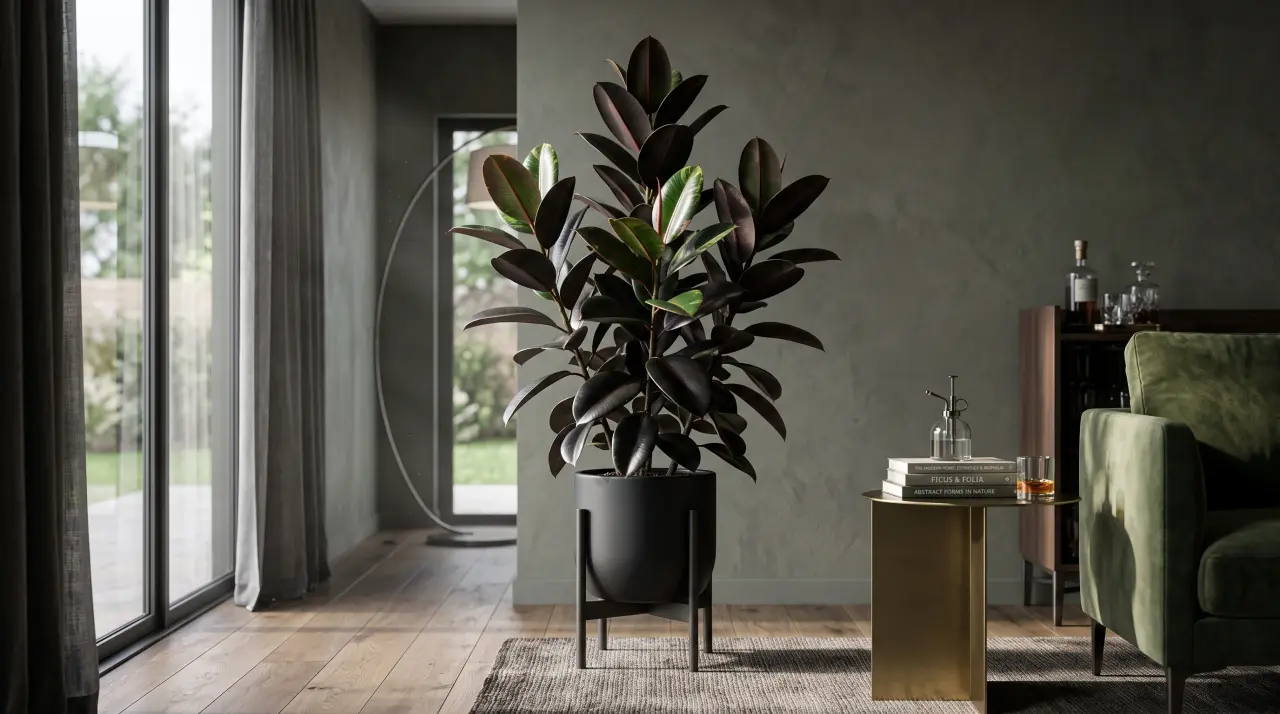
- Why it Works: When you need a large, commanding floor plant to fill a space, the Rubber Plant is a sophisticated and bold choice. A tall structural plant boasting large, thick, leathery leaves in stunning shades ranging from deep burgundy-black to vibrant variegated greens. The dark, glossy leaves add a massive, sophisticated pop of color to neutral rooms and provide a high-end, dramatic contrast against plain white walls.
- How to Care: It prefers bright, indirect light (direct sun will scorch the leaves). Water it when the top inch of soil feels dry. It enjoys a bit of humidity.
✔ Adds a rich, dramatic, and deeply sophisticated pop of color to a neutral room.
✔ The thick, rigid trunk makes it an excellent standalone architectural piece.
✖ The sap is sticky and messy if a leaf is accidentally snapped off.
📝 Quick Steps: Select a large Rubber Plant with a sturdy, straight trunk. Place it in a bright spot away from harsh, direct afternoon sunlight. Drop the heavy nursery pot inside an elevated mid-century modern wooden stand.
🛠️ Tools & Materials: Botanicals: Live Burgundy Rubber Plant (Ficus Elastica). Decor: Mid-century modern wooden floor plant stand, heavy ceramic pot.
🧽 Maintenance: Keep the massive leaves looking perfect by spraying them occasionally with a natural neem oil leaf shine spray.
⚠️ Safety & Building Codes: Rubber Plant sap contains natural latex. Keep it away from anyone in the home with severe latex allergies.
💡 Pro Tip: Place your Rubber Plant inside a mid-century modern wooden floor stand to elevate it and make it look like a high-end luxury decor piece!
🚧 Contractor's Insight / Structural Note: Large indoor trees like the Rubber Plant require heavy pots to prevent them from becoming top-heavy. Use a heavy ceramic or concrete planter rather than a cheap plastic one to ensure it stays grounded.
Shop the Look
6. The Sprawling Classic: Spider Plant
Playful Grass-Like Texture | Exceptional Air Purification
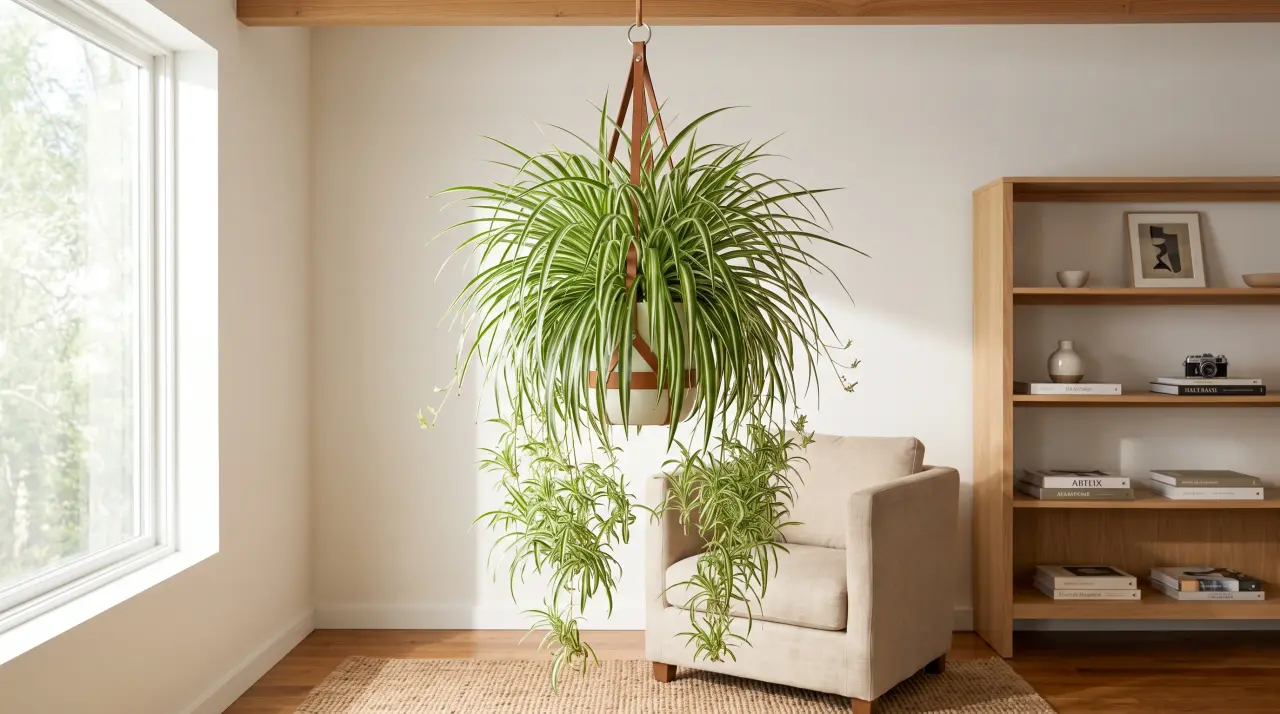
- Why it Works: The Spider Plant is a retro classic that has made a major comeback in contemporary home decor due to its unique texture. Long, arching, grass-like leaves with white and green stripes. As it grows, it produces adorable "spiderettes" (baby plants) that dangle down. The sprawling, chaotic growth pattern brings a lush, full, and playful texture that perfectly breaks up the rigid lines of modern furniture.
- How to Care: It loves bright, indirect light and well-draining soil. Water it generously, but let the soil dry out partially between waterings. It is also an excellent natural air purifier!
✔ One of the most effective natural indoor air purifiers available.
✔ The dangling "spiderettes" add highly unique, playful visual texture.
✖ The delicate, grassy leaf tips turn brown very easily if watered with hard tap water.
📝 Quick Steps: Hang the Spider Plant in a bright window or place it on a pedestal stand. Use filtered water to prevent the leaf tips from turning brown. Trim off any entirely brown or crispy leaves at the base to keep it looking tidy.
🛠️ Tools & Materials: Botanicals: Live Spider Plant. Decor: Pedestal plant stand or white hanging macrame planter.
🧽 Maintenance: Snip off the dangling "spiderettes," place them in a small glass of water until roots form, and pot them in soil to get endless free plants for the rest of your house!
⚠️ Safety & Building Codes: Ensure hanging macrame planters are kept far away from open flames, like gas stoves or candles, as the cotton rope is highly flammable.
💡 Pro Tip: Display the Spider plant in a tall pedestal stand. The long arching leaves and dangling babies look stunning when elevated like a green fountain!
🚧 Contractor's Insight / Structural Note: Spider plants grow incredibly dense root systems that can quickly clog the drainage holes of a pot. Ensure you use a planter with a wide, elevated drainage tray so the water can escape freely.
Shop the Look
7. The Elegant Bloomer: Peace Lily
Sculptural White Flowers | Serene Spa-Like Elegance
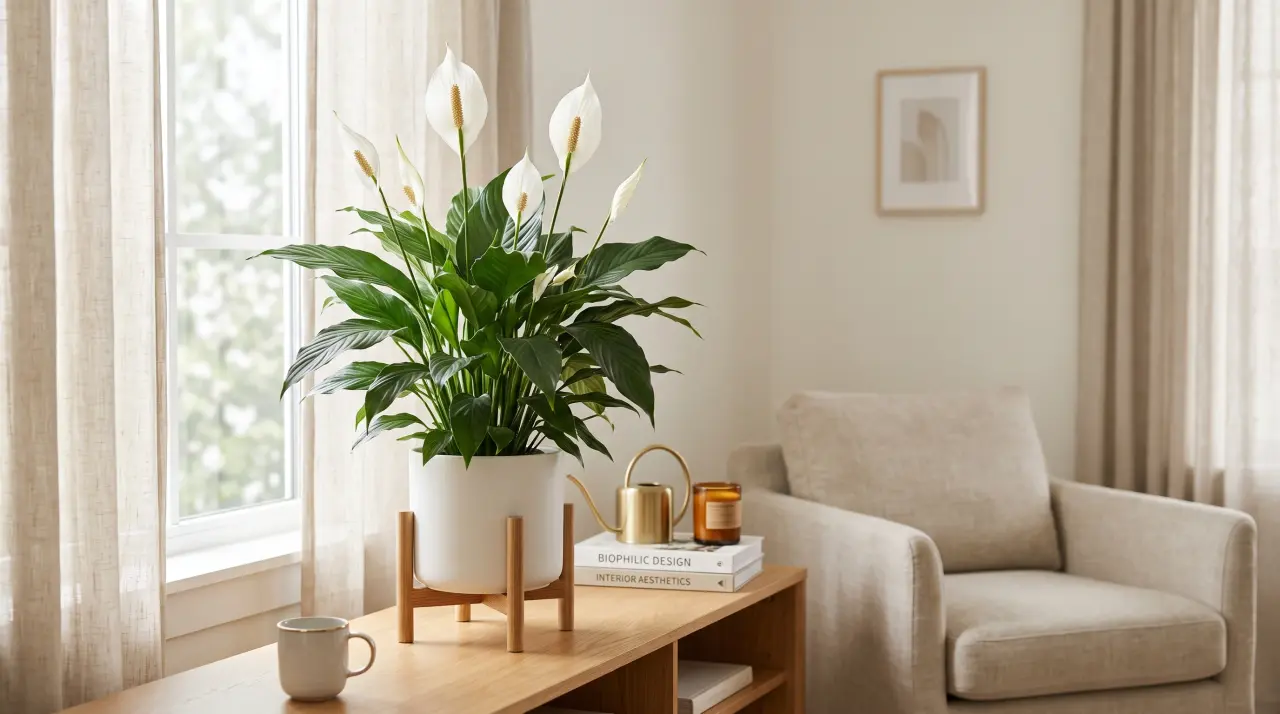
- Why it Works: If you want a low-maintenance plant that actually produces elegant flowers, the Peace Lily is your best option. Lush, dark green foliage paired with striking, sculptural white flowers. The bright white blooms bring a touch of serene, refined elegance and organic contrast to quiet spaces like bedrooms or spa-like bathrooms.
- How to Care: The Peace Lily is famous for being incredibly communicative. When it is thirsty, the entire plant will dramatically droop, but once you water it, it miraculously perks back up within hours! It thrives in low to medium light.
✔ One of the few low-maintenance indoor plants that produces stunning white flowers.
✔ Visually communicates its watering needs by drooping dramatically.
✖ The white blooms will naturally turn brown and die off, requiring pruning.
📝 Quick Steps: Place the Peace Lily in a quiet, low-to-medium light room like a bedroom or bathroom. Wait until the broad leaves begin to droop slightly before watering it thoroughly. Snip off the tall flower stems at the base once the white blooms turn brown.
🛠️ Tools & Materials: Botanicals: Live Peace Lily Plant. Decor: Elegant fluted ceramic pot. Accessories: Fine-mist spray bottle.
🧽 Maintenance: Keep the broad leaves misted with a spray bottle once a week to replicate its natural tropical, humid environment and encourage more white blooms!
⚠️ Safety & Building Codes: Keep the Peace Lily away from cats! While beautiful, the plant is highly toxic to felines if ingested.
💡 Pro Tip: Use a wet paper towel to gently wipe the broad dark green leaves. When the leaves are perfectly clean, the striking white flowers pop with massive contrast!
🚧 Contractor's Insight / Structural Note: Peace Lilies thrive in humid environments. They are the perfect, highly aesthetic addition to a newly renovated, well-ventilated luxury bathroom!
Shop the Look
Bonus Upgrades
- The Living Wall: If you have zero floor space, install a series of sleek, waterproof wall planters and fill them entirely with trailing Pothos. Over time, it will create a massive, breathtaking vertical "living wall" that acts as a custom art piece.
- Self-Watering Pots: If you travel frequently or simply forget to water your plants, upgrade to high-end self-watering planters. They feature a reservoir at the bottom that allows the plant to drink exactly what it needs for weeks at a time!
- Smart Grow Lights: Dark apartments no longer mean you can't have plants. Invest in aesthetic, halo-style LED grow lights that stick directly into the pot, providing vital full-spectrum light without ruining the room's decor.
- The Statement Pedestal: Don't leave your favorite plant sitting sadly on the floor. Buy a towering marble or fluted wood display pedestal to elevate the plant to eye level, instantly turning it into a high-end luxury focal point.
Quick Reference Cheat Sheet
| Feature | Best For | Estimated Cost | Professional Needed? |
|---|---|---|---|
| Snake Plant | Striking architectural vertical lines | $20 - $50 | No |
| ZZ Plant | Surviving windowless, dark dead-zones | $20 - $45 | No |
| Monstera | Creating a massive tropical focal point | $40 - $100 | No |
| Pothos Vine | Cascading foliage on high floating shelves | $15 - $30 | No |
| Rubber Plant | Bold, moody contrast in floor planters | $35 - $80 | No |
| Spider Plant | Sprawling texture and natural air purification | $15 - $30 | No |
| Peace Lily | Elegant white flowers in spa-like bathrooms | $20 - $45 | No |
Frequently Asked Questions (FAQ)
DIY-friendly Projects & Tips:
Q: How do I know when to water my indoor plants?
A: The biggest mistake beginners make is overwatering! Always use the "finger test." Push your finger about an inch into the soil. If it feels wet or damp, wait. If it feels completely dry, it is time to water. Plants like the ZZ and Snake plant can safely go weeks without a drink.
Q: What is the best type of pot for indoor plants?
A: Always ensure your pot has a drainage hole at the bottom. If water sits in the bottom of a sealed pot, the roots will rot and kill the plant. The best trick is to keep the plant in its ugly plastic nursery pot (which has holes), and drop that entirely inside a beautiful decorative ceramic pot!
Q: Can these plants survive in an air-conditioned room?
A: Yes, but AC units heavily strip humidity from the air. Keep your tropical plants (like the Monstera and Peace Lily) away from direct AC vents, and occasionally mist their leaves with water to keep them happy and hydrated.
Require a Pro (Professional Assistance):
Q: Can I mount heavy plant hangers from a drywall ceiling myself?
A: If you cannot locate a solid wooden ceiling joist, hanging a heavy, water-soaked potted plant from pure drywall requires professional heavy-duty toggle bolts, otherwise, the massive weight will rip the ceiling down.
Final Thoughts
You do not need to be a botanical expert to enjoy a beautiful, plant-filled home. By incorporating these low-maintenance options like the architectural Snake Plant, the trailing Pothos, or the bold Monstera, you can achieve a stunning, modern aesthetic with minimal effort. Remember to pair your new green friends with stylish ceramic pots, woven rattan baskets, or sleek mid-century modern plant stands to truly tie them into your interior design. Pick your favorite from this list, bring a touch of nature indoors, and watch your Vindy Space completely transform!
Read Next on Vindy Space:
Shop This Post
*When you purchase through links on our site, we may earn an affiliate commission.*
Author: Vindy P.